
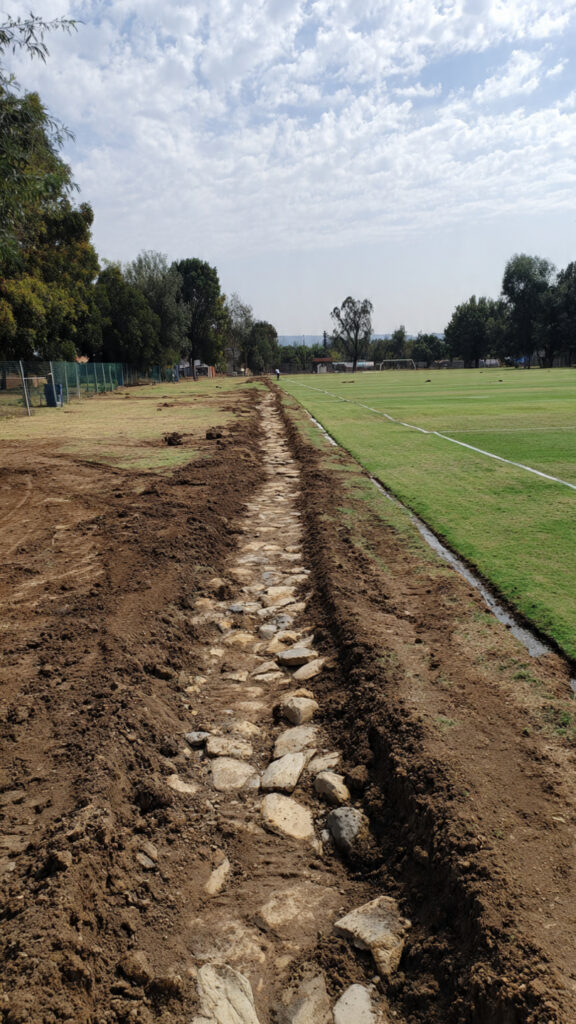
Subbase Preparation for Sports Turf Installation in Gauteng
Installing sports turf represents a significant investment for schools, clubs, and recreational facilities across Gauteng. However, the longevity and performance of your artificial grass depend entirely on the foundation beneath it. Professional subbase preparation creates the stable, well-draining platform that keeps your sports turf looking pristine for years to come.
Understanding proper subbase preparation before installing sports turf becomes critical for property owners in Randburg and Midrand. The right foundation prevents common issues like poor drainage, uneven surfaces, and premature wear. This comprehensive guide walks you through every aspect of subbase preparation for sports turf installations across Gauteng.
Understanding Subbase Requirements for Sports Turf
The subbase serves as the structural backbone of any artificial grass installation. This layer provides stability, facilitates drainage, and creates the smooth surface athletes need for optimal performance. Without proper subbase preparation, even premium sports turf will fail prematurely.
Gauteng’s unique climate presents specific challenges for sports turf installations. The region experiences intense summer rainstorms followed by dry winter months. These conditions demand a subbase that handles both rapid water infiltration and long-term structural integrity. Professional installers design subbase systems that account for these local conditions.
Sports turf applications require more rigorous preparation than residential artificial grass. Athletes generate significant force during play, which puts enormous stress on the surface. A properly engineered subbase distributes these loads evenly and maintains its structure under constant use.
Excavation Depth Standards for Sports Turf Installation
Excavation depth represents the first critical decision in subbase preparation. Professional installations typically excavate between 150mm and 250mm (6 to 10 inches) below the final grade. This depth accommodates multiple compacted layers while ensuring adequate drainage.
The specific excavation depth depends on several factors. Existing soil conditions play a major role in determining how deep you must dig. Clay-heavy soils common in parts of Gauteng require deeper excavation to reach stable subgrade. Sandy soils may need less removal but still demand careful preparation.
Heavy-use sports facilities often require excavation depths of 300mm (12 inches) or more. Soccer fields and multi-purpose sports grounds handle intense traffic that demands extra structural support. The additional depth allows for thicker base layers that better resist compaction over time.
Site-specific conditions also influence excavation requirements. Properties with poor natural drainage need deeper excavation to accommodate enhanced drainage systems. Sloped sites require careful grading to create the proper surface gradient while maintaining adequate base depth throughout the installation area.
Stone Layer Composition and Installation
The stone base layer forms the primary structural element of your subbase system. Most professional installations use crushed stone or aggregate materials specifically graded for sports applications. These materials provide the combination of stability and drainage that sports turf demands.
Crushed concrete mixed with sand and gravel represents the most common base material. This recycled aggregate offers excellent drainage characteristics and compacts reliably. The angular particles interlock during compaction, creating a stable foundation that resists movement under load.
The stone layer typically ranges from 100mm to 150mm (4 to 6 inches) in compacted thickness. Professional installers place this material in two or three lifts rather than one thick layer. Multiple lifts allow for better compaction and more consistent density throughout the base.
Decomposed granite provides an alternative base material for premium installations. This weathered rock blends sand and clay particles that compact into a smooth, stable surface. While more expensive than crushed concrete, decomposed granite creates an exceptionally level base ideal for putting greens and high-performance sports surfaces.
Some installations incorporate a fine gravel layer above the primary crushed stone base. This 25mm to 50mm layer provides the final leveling medium and prevents larger aggregate from penetrating the artificial grass backing. The fine gravel creates a smooth transition between the structural base and the turf.
Compaction Standards and Testing Methods
Proper compaction transforms loose aggregate into a solid, stable base. Professional installers use vibratory plate compactors that deliver consistent pressure across the entire surface. These machines compact materials to 95% or greater of maximum density, the industry standard for sports applications.
Compaction occurs in stages as installers build up the base layers. Each lift receives thorough compaction before the next layer goes down. This systematic approach ensures uniform density throughout the entire base depth. Attempting to compact thick layers in one pass inevitably creates weak spots that compromise the installation.
The compaction process requires specific material moisture content. Stone and aggregate compact most effectively when slightly damp but not saturated. Water lubricates the particles, allowing them to settle into their tightest configuration. Installers often mist the surface during compaction to maintain optimal moisture levels.
Testing confirms that compaction meets specification. Professional installers use nuclear density gauges or sand cone tests to measure actual compaction levels. These tests identify areas that need additional work before the installation proceeds. Quality installations include documentation of compaction test results throughout the base preparation process.
Visual inspection provides additional quality assurance. A properly compacted base shows no footprints or depressions when walked on. The surface feels solid and shows no movement under foot traffic. Any soft spots indicate inadequate compaction that requires correction.
Drainage System Integration
Effective drainage represents perhaps the most critical aspect of subbase preparation. Gauteng’s summer rainfall patterns can deliver intense precipitation in short periods. Your drainage system must evacuate this water quickly to keep the playing surface safe and functional.
The most basic drainage approach relies on the natural permeability of properly graded aggregate. A slope of 1% to 2% (approximately 10mm to 20mm per meter) directs water across the surface and into perimeter drainage areas. This gradient remains subtle enough for athletic performance while ensuring positive water flow.
Perforated drainage pipes installed beneath the stone base provide enhanced water removal. These pipes, typically 100mm (4 inches) in diameter, run perpendicular to the slope at 3-meter to 5-meter intervals. Installers place the pipes in trenches within the subgrade, then cover them with clean stone before placing the main base layer.
The drainage pipes connect to collection points around the installation perimeter. These outlets direct water away from the sports surface into storm drains or designated dispersal areas. Proper outlet design prevents water from backing up into the turf during heavy rainfall events.
Landscape fabric placed over the subgrade but beneath the stone base prevents soil migration into the drainage system. This geotextile barrier allows water to pass through while stopping fine particles that could clog the stone and drainage pipes. Quality fabric resists degradation and maintains its separation function for decades.
Some high-performance installations incorporate French drains around the perimeter. These gravel-filled trenches capture water from the edge of the sports surface and convey it to discharge points. Perimeter drainage proves especially valuable on sites with limited natural runoff options.
Surface Leveling and Grading Techniques
Final surface preparation creates the smooth, level platform that artificial grass requires. Professional installers use laser leveling equipment to achieve surface tolerances of plus or minus 3mm across the entire installation. This precision ensures consistent playing characteristics and prevents water ponding.
The grading process begins during base installation. Installers establish grade stakes throughout the work area that define the target surface elevation. These reference points guide material placement and compaction to create the proper slope and elevation.
Screeding creates the final smooth surface. Installers pull a straight edge across the compacted base to remove high spots and identify low areas. This process continues until the entire surface achieves the specified tolerance. Large installations use motorized screeding equipment that spans the full width of the work area.
A thin layer of decomposed granite or fine sand often serves as the final leveling course. This material fills minor imperfections and creates an exceptionally smooth substrate for the artificial grass. The leveling layer typically ranges from 10mm to 25mm in compacted thickness.
Edge restraints installed around the perimeter provide critical support for the artificial turf. These barriers prevent the base materials from migrating outward and maintain the edge definition of the installation. Professional installers use treated timber, concrete, or specialized plastic edging systems that anchor securely into the base.
Gauteng-Specific Considerations
Gauteng’s highveld climate creates specific challenges for sports turf installations. The region sits at approximately 1,700 meters above sea level, where UV radiation intensity exceeds that of coastal areas. This intense sunlight demands premium UV-stabilized artificial grass and careful attention to exposed base materials during installation.
Soil conditions vary significantly across the Gauteng region. Johannesburg’s northern suburbs, including Randburg and Midrand, typically feature clay-rich soils with moderate to poor natural drainage. These conditions necessitate thorough excavation and robust drainage systems to prevent water accumulation beneath the sports turf.
Frost occasionally occurs during winter months in Gauteng. While not severe by international standards, freezing temperatures can affect improperly prepared bases. Professional installations ensure adequate drainage that prevents water from accumulating and potentially freezing within the base layers.
The dry winter season brings its own challenges. Low humidity and persistent wind can dry out materials during installation, affecting compaction quality. Experienced installers adjust their techniques seasonally, maintaining proper moisture levels in base materials regardless of ambient conditions.
Quality Control Measures
Professional sports turf installations incorporate multiple quality checkpoints throughout the subbase preparation process. These inspections catch problems early when corrections require minimal time and expense. Documented quality control protects both the installer and property owner by confirming that work meets specification.
Pre-installation site assessment identifies potential problems before excavation begins. Professional installers evaluate existing drainage patterns, soil conditions, and site constraints. This assessment informs the installation plan and helps prevent surprises during construction.
Base material testing confirms that aggregate meets specification before placement. Quality stone should be clean, properly graded, and free from excessive fines that impede drainage. Many specifications require sieve analysis documentation for base materials used in sports applications.
Compaction testing at multiple stages verifies that density requirements are met throughout the base depth. Professional installations include test results at intervals across the work area. These tests provide objective confirmation that the base will perform as designed.
Final surface verification uses laser levels or precision surveying equipment to confirm grade and smoothness specifications. This documentation proves that the prepared surface meets tolerance requirements before artificial grass installation begins.
Professional Installation Advantages
While some property owners consider DIY subbase preparation, professional installation offers significant advantages for sports applications. LawnKing specializes in sports turf installations across Randburg, Midrand, and greater Gauteng. Our experienced teams understand the critical importance of proper subbase preparation.
Professional installers bring specialized equipment essential for quality work. Vibratory compactors, laser levels, and excavation equipment represent substantial investments beyond reach for most property owners. These tools ensure consistent results that match or exceed industry standards.
Experience matters enormously in subbase preparation. Professional installers recognize potential problems before they develop into costly failures. They adjust techniques based on site-specific conditions and weather factors. This expertise produces installations that perform reliably for years.
Warranty coverage provides peace of mind for property owners. Professional installations typically include comprehensive warranties covering both materials and workmanship. These guarantees protect your investment and ensure that any problems receive prompt attention.
Project management capabilities keep installations on schedule and within budget. Professional teams coordinate material deliveries, equipment scheduling, and workforce deployment. This organization minimizes project duration and reduces disruption to your facility.
Long-Term Performance Benefits
Proper subbase preparation delivers benefits that extend throughout the life of your sports turf installation. The initial investment in quality base work pays dividends through reduced maintenance costs and extended turf lifespan. Property owners who prioritize foundation quality enjoy superior long-term value.
Structural stability prevents common problems that plague poorly prepared installations. Uneven settling creates depressions that collect water and accelerate wear. Proper compaction and grading eliminate these issues, maintaining a level playing surface year after year.
Drainage performance directly affects turf usability. Sports surfaces with effective drainage systems remain playable shortly after rainfall. This availability maximizes facility utilization and protects your revenue potential. Poor drainage forces cancellations and disappoints users.
The subbase protects your artificial grass investment. Premium sports turf costs significantly more than residential grades. Quality base preparation ensures this expensive surface receives the support it needs to deliver its full service life.
Cost Considerations and Value Analysis
Subbase preparation represents a substantial portion of total sports turf installation costs. Property owners should expect base work to account for 40% to 60% of the overall project budget. This significant investment reflects the critical importance of proper foundation work.
Several factors influence subbase costs. Excavation depth directly affects material removal expenses. Sites requiring deeper excavation incur higher hauling and disposal costs. Difficult access can increase equipment time and labor requirements.
Base material costs vary based on local availability and quality specifications. Crushed concrete aggregate typically provides the most economical option. Premium materials like decomposed granite cost more but deliver superior performance for high-end applications.
Drainage system complexity significantly impacts project costs. Basic surface grading represents minimal expense. Installations requiring perforated pipe systems and collection points cost substantially more. Complex sites with poor natural drainage may need extensive infrastructure that increases project budgets.
However, cutting corners on subbase preparation proves economically disastrous. Installations that fail due to inadequate base work require complete removal and reconstruction. This remediation costs far more than proper initial installation. Smart property owners prioritize foundation quality to protect their long-term investment.
Conclusion
Proper subbase preparation forms the foundation of every successful sports turf installation in Gauteng. The excavation depth, stone layer composition, compaction standards, and drainage integration work together to create a stable, well-draining platform. These elements ensure your artificial grass performs reliably under intense athletic use while maintaining its appearance for years.
Property owners in Randburg and Midrand benefit from working with experienced professionals who understand regional conditions and industry standards. Quality subbase preparation requires specialized equipment, technical knowledge, and attention to detail. The investment in proper foundation work protects your substantial sports turf investment and delivers superior long-term value.
Contact LawnKing today to discuss your sports turf installation project. Our experienced team provides comprehensive services from initial site assessment through final turf installation. We’ll ensure your facility receives the quality foundation it needs for years of reliable performance.
Additional Resources
For more information on artificial grass and sports turf installations, explore these helpful resources:
- Sports Turf Managers Association – Professional organization providing guidance on field construction and maintenance
CCGrass Artificial Turf Solutions – Technical information on subbase preparation and materials
Transform your sports facility with professional artificial grass installation backed by proper subbase preparation. Quality foundation work ensures your investment delivers maximum performance and longevity in Gauteng’s demanding climate.
Recent Posts:
- How Do Weather Conditions Affect Artificial Turf Performance on Sports Courts?
- Is Artificial Sports Turf Safe? Understanding Impact Absorption and Injury Prevention
- What’s the Return on Investment for Sports Facilities Installing Artificial Turf?