
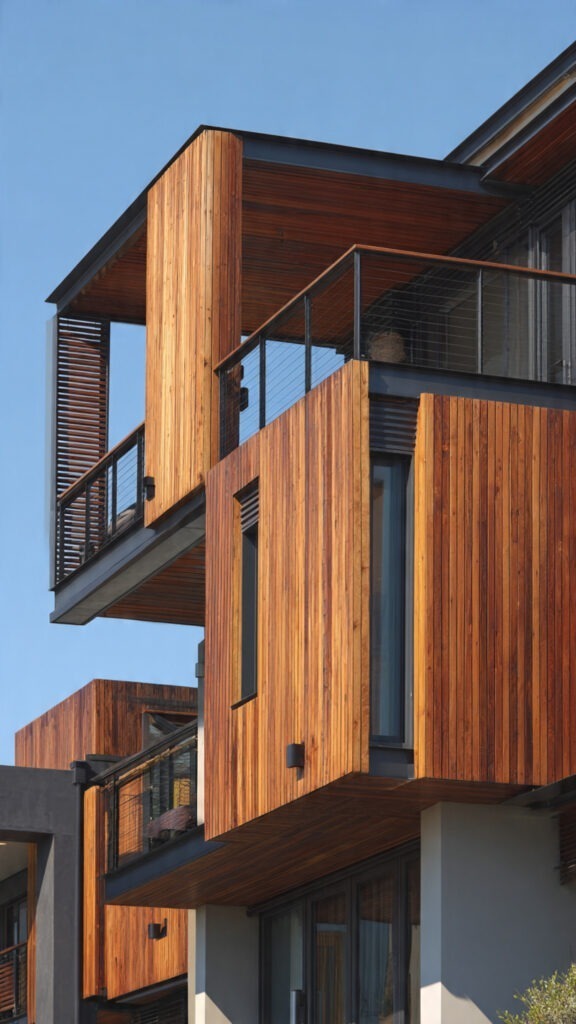
Timber vs Composite Cladding for Johannesburg Homes
Choosing the right cladding material transforms your Johannesburg property. Your decision impacts durability, maintenance costs, and aesthetic appeal for years to come. This comprehensive guide explores timber versus composite cladding, helping homeowners in Randburg, Midrand, and surrounding areas make informed choices.
Understanding Cladding Materials for South African Homes
Cladding protects exterior walls while enhancing visual appeal. Johannesburg’s unique climate presents specific challenges. The city experiences intense summer sun, occasional hailstorms, and dry winter conditions. These factors significantly influence material performance.
Natural timber offers traditional beauty. However, it requires consistent maintenance in our climate. Composite materials blend recycled wood fibres with protective polymers. This combination delivers timber’s aesthetic without extensive upkeep requirements.
Durability in Johannesburg’s Climate
Timber Cladding Performance
Natural timber expands and contracts with temperature changes. Johannesburg’s temperature variations stress wooden materials. Western red cedar performs well among timber options. It typically lasts 25-35 years with proper treatment and maintenance.
Moisture poses challenges for timber cladding. Summer rainfall can lead to rot without proper sealing. Termites and wood-boring insects also threaten untreated timber. Regular inspections help identify problems early.
Composite Cladding Longevity
Composite cladding excels in durability tests. The material resists rot, warping, and splitting naturally. It maintains structural integrity through weather extremes. Quality composite products feature protective capping on all sides.
This protection shields the core from elements. The material won’t attract termites or pests. Composite cladding typically outlasts timber significantly. Many manufacturers offer 25-year warranties covering fade and performance.
Maintenance Requirements and Costs
Timber Cladding Upkeep
Timber demands regular attention. You’ll need to repaint or restain every few years. This maintenance protects against moisture damage and UV degradation. Annual inspections reveal potential rot or pest activity.
Treatment costs accumulate over time. Professional maintenance adds to the total expense. Factor in time investment alongside financial commitments. Many homeowners underestimate these ongoing requirements.
Composite Cladding Care
Composite materials require minimal maintenance. Occasional hosing removes dust and dirt. No painting, staining, or sealing becomes necessary. The capping technology protects against fading and staining.
This low-maintenance approach saves money long-term. You eliminate recurring treatment expenses. Time savings prove equally valuable. Similar to how artificial grass installations reduce lawn maintenance, composite cladding minimizes exterior upkeep.
Aesthetic Appeal and Design Flexibility
Natural Timber Beauty
Timber provides authentic natural warmth. Each board displays unique grain patterns. You can customize finishes through staining or painting. Natural weathering creates distinctive silver-grey patinas over time.
However, maintaining consistent appearance requires effort. Uneven weathering can look unappealing without treatment. Color options remain flexible with paint choices.
Composite Visual Options
Modern composite cladding mimics timber convincingly. Advanced manufacturing creates realistic grain patterns. Streaked coloring ensures no two boards look identical. Multiple color options suit various architectural styles.
The material maintains appearance consistency. Fading resistance preserves your chosen aesthetic. You won’t see the warping or splitting that ages timber. This consistency matters for long-term property value.
Environmental Considerations
Sustainable Timber Sourcing
Responsibly sourced timber provides renewable options. Look for certified sustainable forestry products. Locally grown pine and treated timber support South African suppliers. Natural timber biodegrades at end-of-life.
However, treatment chemicals raise environmental concerns. Transportation impacts vary based on sourcing locations.
Composite Sustainability
Quality composite products use recycled materials. They incorporate plastic bottles, recycled wood fibres, and recovered materials. This recycling reduces landfill waste significantly. Manufacturing processes have improved environmental efficiency.
Composite longevity reduces replacement frequency. Fewer replacements mean less resource consumption overall. The materials’ durability extends environmental benefits across decades.
Installation Considerations
Both materials require professional installation for optimal performance. Proper preparation ensures longevity. Adequate ventilation behind cladding prevents moisture buildup. This remains crucial in Johannesburg’s climate.
Composite systems often feature clip installation methods. These systems speed up installation while ensuring proper spacing. Professional installers familiar with local conditions deliver best results. Much like professional instant lawn installation ensures proper establishment, expert cladding installation guarantees performance.
Cost Analysis for Johannesburg Homeowners
Initial Investment Comparison
Timber generally costs less upfront. However, treatment and preparation add expenses. Quality composite cladding requires higher initial investment. This upfront cost reflects superior materials and capping technology.
Installation costs remain comparable between materials. The difference lies in long-term value. Consider total lifetime costs when evaluating options.
Long-Term Financial Impact
Timber’s maintenance expenses accumulate significantly. Repainting every 3-5 years costs money and time. Treatment products add recurring expenses. Potential repairs increase costs unpredictably.
Composite cladding eliminates most maintenance costs. The initial premium pays off through savings. Over 20 years, composite often proves more economical. Calculate maintenance costs before deciding.
Performance in Extreme Weather
Johannesburg experiences intense summer sun. UV radiation fades and degrades untreated materials. Composite cladding’s protective capping resists UV damage effectively. Quality products maintain color consistency for decades.
Hailstorms occasionally threaten exterior materials. Both materials withstand typical hail impacts. However, composite’s uniform construction provides consistent resistance. Timber can split along grain lines under impact stress.
Enhancing Outdoor Living Spaces
Cladding choices complement overall landscape design. Artificial grass solutions create cohesive outdoor aesthetics. Consider how cladding integrates with other elements. Composite materials coordinate well with modern landscaping trends.
The low-maintenance approach extends beyond cladding alone. Combining composite cladding with artificial turf installations creates virtually maintenance-free outdoor spaces. This combination particularly suits busy Johannesburg professionals.
Professional Installation and Support
Working with experienced suppliers ensures quality outcomes. Reputable companies provide detailed specifications and installation guidance. They understand local climate challenges. This expertise proves invaluable for long-term performance.
LawnKing Gardens serves Randburg and Midrand with comprehensive outdoor solutions. Their experience with local conditions helps homeowners make informed decisions. Whether you’re upgrading cladding or transforming garden spaces, professional guidance matters.
Making Your Decision
Consider these key factors when choosing between timber and composite cladding:
Choose timber cladding if you:
- Appreciate authentic wood’s natural beauty
- Don’t mind regular maintenance commitments
- Have lower initial budget constraints
- Enjoy hands-on property care
Select composite cladding if you:
- Prioritize low-maintenance living
- Want long-term cost efficiency
- Need superior weather resistance
- Value consistent appearance over decades
Your lifestyle and priorities guide this choice. Budget both time and money realistically. Consider how maintenance fits your schedule.
Expert Recommendations for Johannesburg Properties
Most Johannesburg homeowners benefit from composite cladding. The climate’s intensity challenges natural materials. Low maintenance suits busy urban lifestyles. Long-term cost savings justify higher initial investment.
However, properly maintained timber remains viable. Historic properties might require authentic materials. Some architectural styles specifically call for natural wood. Budget-conscious projects might necessitate timber choices initially.
Conclusion
Composite cladding emerges as the superior choice for most Johannesburg homes. Its durability withstands local climate challenges effectively. Minimal maintenance requirements suit modern lifestyles. Long-term cost efficiency outweighs initial investment differences.
Timber cladding serves specific needs and preferences. Natural beauty appeals to traditional aesthetics. However, ongoing maintenance demands significant commitment. Weather challenges in Johannesburg intensify these requirements.
Evaluate your priorities carefully. Consider maintenance capabilities realistically. Calculate long-term costs beyond initial investment. Your choice impacts property value and enjoyment for decades.
Ready to transform your outdoor spaces? Contact LawnKing Gardens for comprehensive solutions. From artificial grass installations to outdoor improvements, their team serves Randburg and Midrand homeowners with expertise and professionalism.
For more information about creating low-maintenance outdoor spaces in Johannesburg, explore our resources on artificial grass solutions and professional landscaping services.
Recent Posts:
- How Much Does Cladding Installation Cost in Johannesburg Suburbs in 2024?
- What Are the Best Cladding Materials for Johannesburg’s Highveld Climate?
- Commercial Paving ROI: How Rosebank and Illovo Businesses Boost Property Value with Quality Surfacing
- Why Your Morningside or Parktown North Driveway Needs Resealing Before Summer