
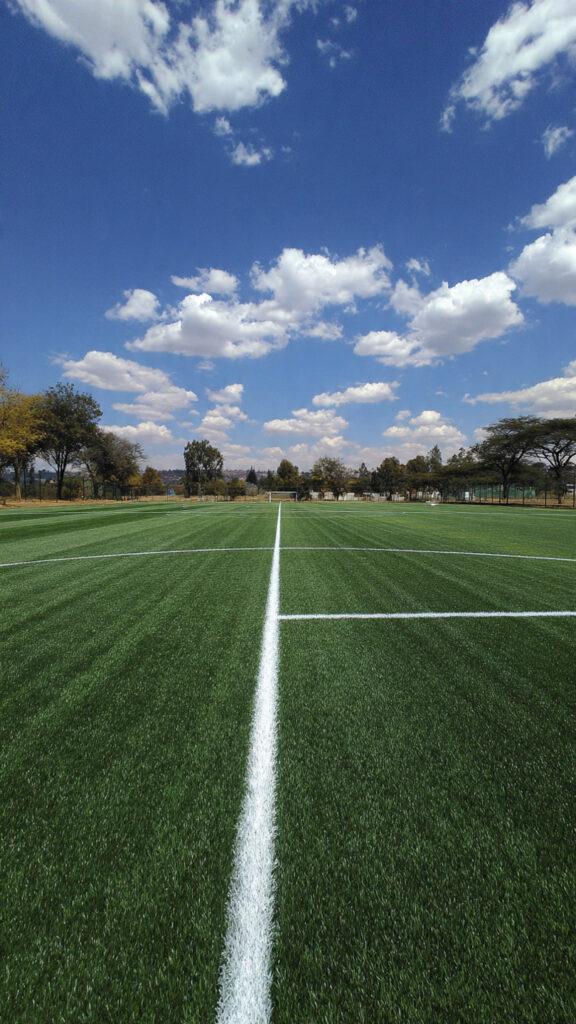
Artificial Turf Solutions for Zimbabwe Sports Facilities
Zimbabwe’s sporting landscape stands at a transformative crossroads. With the government’s ambitious plans to upgrade sports infrastructure and the growing demand for reliable playing surfaces, artificial turf solutions present a game-changing opportunity for football and rugby facilities across Harare, Bulawayo, and beyond.
Why Zimbabwe Needs Advanced Artificial Turf Solutions Now
The National Sports Stadium in Harare and other major facilities face ongoing maintenance challenges. Natural grass pitches struggle under Zimbabwe’s climate extremes and heavy usage demands. Moreover, recent infrastructure investments signal a clear commitment to meeting international standards.
Consequently, sports clubs and facilities need surfaces that can withstand intense training schedules while maintaining consistent quality. This is where modern artificial grass technology delivers unprecedented value.
Understanding High-Performance Sports Turf Systems
Today’s artificial grass solutions bear little resemblance to the first-generation surfaces of decades past. Modern third-generation (3G) systems incorporate advanced polyethylene and polypropylene fibers that replicate natural grass performance while offering superior durability.
Furthermore, these systems provide critical advantages for high-traffic facilities. International standards from FIFA demonstrate that properly engineered artificial turf can handle 40-60 hours of weekly play for community facilities, while professional-grade surfaces support up to 20 hours for elite competition.
Key Performance Features for Sports Facilities
Premium sports turf systems deliver multiple performance benefits. UV stabilization prevents fading under Zimbabwe’s intense sunshine. Advanced drainage systems handle heavy rainfall without creating muddy conditions. Additionally, shock-absorption properties reduce player fatigue and injury risk during training and matches.
The fiber technology creates consistent ball behavior across the entire surface. Players experience predictable bounce, roll, and traction regardless of weather conditions or time of year. This consistency proves invaluable for developing player skills and tactical awareness.
Durability Solutions for High-Traffic Football Fields
Football clubs across Zimbabwe face a common challenge: natural grass deteriorates quickly under constant use. Training sessions, league matches, and youth development programs place enormous strain on playing surfaces.
Professional 30mm artificial grass systems address this challenge directly. These surfaces maintain their integrity through thousands of hours of play. The multi-filament fibers resist wear while providing excellent player comfort.
Meeting International Standards
FIFA quality certification represents the gold standard for football turf worldwide. These systems undergo rigorous laboratory testing for ball roll, bounce characteristics, shock absorption, and durability. Certified surfaces can host official matches and international competitions.
Zimbabwe’s efforts to upgrade facilities to meet Confederation of African Football standards make FIFA-quality artificial turf an essential consideration. These surfaces deliver the performance consistency required for international competition while handling intensive domestic use.
Rugby-Specific Turf Requirements and Solutions
Rugby presents unique surface challenges. The sport demands exceptional impact resistance for scrums and tackles. Players need reliable traction for rapid direction changes. Furthermore, the surface must maintain stability under the physical demands of forward play.
Modern sports turf systems accommodate these requirements through specialized fiber configurations and infill materials. The 35mm artificial grass option provides the deeper pile height preferred for contact sports. This extra cushioning protects players during high-impact situations while maintaining surface integrity.
Climate Resilience for Year-Round Play
Zimbabwe’s climate creates specific challenges for sports surfaces. The rainy season brings heavy downpours that can render natural grass unplayable for days. The dry season stresses natural turf systems beyond their capacity to recover.
Artificial turf eliminates these seasonal disruptions. Pre-punched backing systems drain water efficiently, allowing play to resume within hours of rainfall. UV-stabilized fibers maintain their appearance and performance through intense sunshine and temperature variations.
Cost-Effectiveness and Maintenance Advantages
Sports facilities operate under tight budget constraints. Natural grass requires continuous investment in irrigation, mowing, fertilization, and replanting. These ongoing costs accumulate substantially over time.
In contrast, artificial turf demands minimal maintenance. Regular brushing removes debris and maintains fiber position. Occasional rinsing keeps the surface clean. Facilities save dramatically on water costs—a crucial consideration in Zimbabwe’s climate.
Long-Term Investment Value
Quality artificial turf systems deliver 8-15 years of reliable performance. This longevity transforms the cost equation for sports facilities. Initial installation costs distribute across thousands of hours of use.
Additionally, facilities maximize revenue potential. Unlike natural grass that requires rest periods, artificial surfaces support continuous scheduling. Clubs can host more training sessions, rent the facility for additional events, and generate higher returns on their infrastructure investment.
Case Study: Transforming Football Training Facilities
Several forward-thinking sports clubs have already embraced artificial turf solutions. One prominent football academy in Harare converted their training grounds to 25mm artificial grass surfaces. The results exceeded expectations.
Training capacity increased by 60% immediately. The academy now runs programs from early morning through evening without surface degradation. Youth development coaches report improved skill progression thanks to consistent surface conditions. Player injuries decreased as the predictable surface reduced awkward footing incidents.
The facility’s operating costs dropped significantly within the first year. Water bills fell dramatically, and maintenance staff redirected their efforts from constant grass care to program development.
Case Study: Rugby Club Surface Upgrade
A rugby club in Bulawayo faced deteriorating pitch conditions that threatened their league participation. Natural grass couldn’t withstand their intensive training schedule and home matches. The club invested in professional-grade artificial turf installation.
The transformation proved immediate and dramatic. Match officials praised the consistent surface quality throughout the season. Players adapted quickly to the reliable traction and cushioning. The club hosted regional tournaments that generated additional revenue streams.
Moreover, the club expanded their youth programs significantly. Junior teams now train without conflicting with senior squad schedules. This increased access strengthens the talent pipeline and community engagement.
Installation Considerations for Zimbabwe’s Facilities
Successful artificial turf installation requires careful planning. Site assessment evaluates drainage requirements, ground stability, and existing infrastructure. Professional installers analyze traffic patterns and intended usage to recommend appropriate pile heights and infill systems.
The base preparation proves critical for long-term performance. Proper compaction and leveling create the foundation for drainage efficiency and surface stability. Quality installation prevents common issues like seam visibility or uneven areas.
Choosing the Right Pile Height
Different applications require different specifications. Training facilities often prefer artificial grass options in the 25-30mm range. These provide excellent durability for high-frequency use while maintaining player comfort.
Match facilities typically select 30-35mm systems. The deeper pile delivers the premium feel expected for competition while supporting the required performance characteristics. Multi-purpose facilities might implement zones with varying pile heights optimized for specific activities.
Environmental and Community Benefits
Artificial turf supports environmental sustainability in multiple ways. Water conservation becomes increasingly important as climate patterns shift. Quality synthetic surfaces eliminate irrigation requirements entirely, preserving precious water resources for essential uses.
The reduction in pesticides, herbicides, and fertilizers benefits local ecosystems. Natural grass maintenance releases these chemicals into groundwater and surrounding areas. Artificial systems eliminate this environmental impact completely.
Expanding Access to Quality Facilities
Reliable surfaces democratize sports participation. Community facilities can accommodate more programs without surface degradation. School sports programs operate without weather-related cancellations. Youth development initiatives access professional-quality training environments.
This expanded access strengthens Zimbabwe’s sports development pipeline. Young players hone their skills on surfaces that replicate international standards. Coaches implement sophisticated training methods that require consistent conditions.
Professional Installation and Support
Successful artificial turf projects depend on experienced installation teams. LawnKing Gardens brings comprehensive expertise to sports facility projects. Their specialists assess site-specific requirements, recommend optimal solutions, and execute professional installations that maximize performance and longevity.
The installation process encompasses site preparation, drainage system integration, base construction, turf placement, and finishing work. Professional teams ensure proper seaming, infill distribution, and quality control throughout every phase.
Maintenance Programs for Optimal Performance
While artificial turf requires minimal maintenance compared to natural grass, regular care extends surface life and maintains performance characteristics. Professional maintenance programs include periodic deep cleaning, infill replenishment, and fiber grooming.
These scheduled services prevent common issues before they develop. Facilities maintain optimal playing conditions throughout the surface lifespan, protecting their investment and ensuring player safety.
Technical Specifications That Matter
Understanding technical specifications helps facilities make informed decisions. Pile height affects cushioning and ball interaction. Fiber thickness influences durability and recovery. Infill composition impacts shock absorption and surface stability.
Quality manufacturers provide detailed specifications for each product. FIFA certification requires specific performance thresholds for factors like vertical deformation, ball roll distance, and rotational resistance. These objective measurements ensure surfaces deliver consistent performance.
Backing and Drainage Technology
The backing system provides the foundation for surface performance. Modern dual-layer backing combines stability with drainage efficiency. Pre-punched drainage holes allow rapid water evacuation while maintaining structural integrity.
Advanced backing materials resist UV degradation and maintain dimensional stability through temperature variations. This prevents common issues like rippling, bunching, or separation that compromise surface quality.
Future-Proofing Zimbabwe’s Sports Infrastructure
Zimbabwe’s sports facilities need solutions that serve current needs while adapting to future demands. Artificial turf systems provide this flexibility. Surfaces accommodate multiple sports through appropriate design specifications.
The technology continues advancing rapidly. New fiber developments improve performance and durability. Environmental innovations reduce ecological footprints. Facilities investing in quality artificial turf position themselves at the forefront of these developments.
International Recognition and Opportunities
Upgraded facilities attract international attention. Quality training environments draw touring teams and pre-tournament preparation camps. FIFA-certified pitches become eligible for international fixtures and youth competitions.
This international exposure benefits Zimbabwe’s sports ecosystem broadly. Athletes gain valuable experience against international competition. Communities benefit from tourism revenue. The nation’s sporting reputation strengthens through visible infrastructure improvements.
Making the Investment Decision
Sports facility managers face important decisions when considering artificial turf. Initial costs require careful evaluation against long-term benefits. Quality systems deliver superior value through extended lifespan and minimal maintenance requirements.
Financing options make professional installations accessible. Many facilities structure investments to align with budget cycles while capturing immediate operational benefits. The return on investment typically materializes within 3-5 years through reduced maintenance costs and increased usage capacity.
Working with Experienced Suppliers
Selecting the right supplier significantly impacts project success. Established companies like LawnKing Gardens offer comprehensive product ranges with proven performance records. Their experience across diverse applications ensures appropriate recommendations for each facility’s unique requirements.
Professional suppliers provide end-to-end support including consultation, installation, and maintenance services. This comprehensive approach protects investments and ensures optimal long-term performance.
Transform Your Sports Facility Today
Zimbabwe’s sports future demands modern infrastructure solutions. Artificial turf technology has matured into the premier choice for football and rugby facilities requiring durability, performance, and cost-effectiveness.
Forward-thinking clubs and facilities are already experiencing the transformative benefits. Enhanced training capacity, reduced maintenance burdens, and improved playing conditions position these organizations for success.
The time to upgrade your facility is now. Professional artificial turf solutions deliver immediate operational improvements while securing long-term competitive advantages. Whether you manage a community sports complex, school facility, or professional club, modern artificial grass technology provides the foundation for excellence.
Contact LawnKing Gardens today to discuss how artificial turf can transform your sports facility. Their team of specialists will assess your requirements, recommend optimal solutions, and deliver professional installation that exceeds expectations. Zimbabwe’s sporting future begins with the right surface beneath your players’ feet.
Recent Posts:
- Transforming Bulawayo’s School Playgrounds: How Artificial Turf Creates Safer, Cleaner Play Spaces
- Why Harare’s Top Hotels Are Switching to Artificial Grass: Cost Savings & Year-Round Appeal
- Can Existing Natural Grass Sports Courts Be Converted to Artificial Turf?
- What Subbase Preparation Is Required Before Installing Sports Turf in Gauteng?