
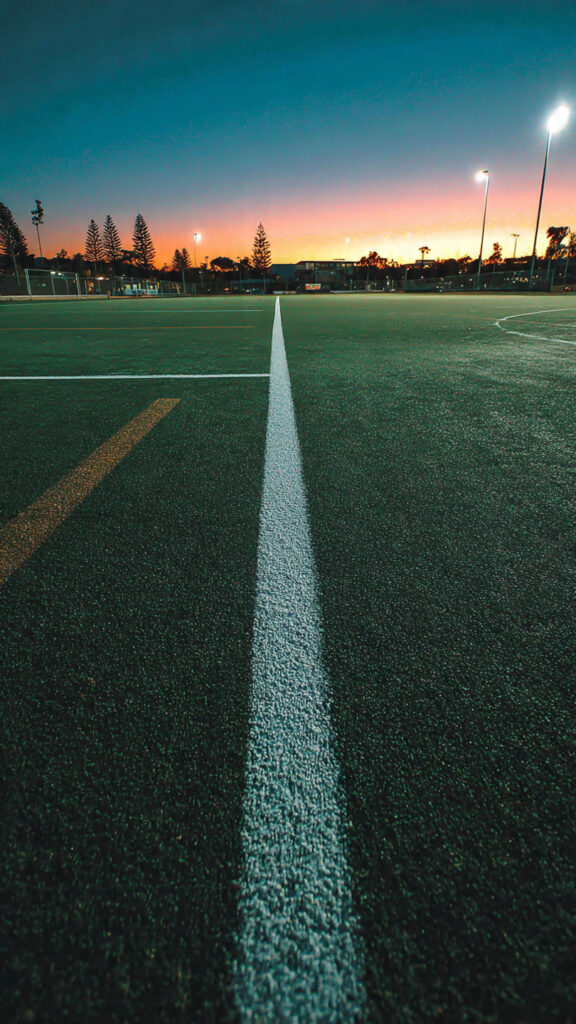
Artificial Sports Turf Lifespan
Property owners and sports facility managers across Johannesburg’s northern suburbs face a crucial question when investing in artificial sports turf. How many years can you expect from your hockey or tennis court surface? Understanding the lifespan of artificial sports turf helps you make informed decisions and budget effectively for your facility.
South Africa’s Highveld climate presents unique challenges for artificial turf. Furthermore, the intense UV radiation, temperature extremes, and low rainfall patterns affect how long your sports surface performs at peak condition. Consequently, this comprehensive guide examines realistic lifespan expectations, warranty coverage details, and the specific factors that influence durability in Randburg, Midrand, and surrounding areas.
Expected Lifespan of Artificial Sports Turf in South Africa
Artificial sports turf delivers impressive longevity when properly selected and maintained. In general, most sports surfaces last between 8 to 15 years, with some achieving 20 years before requiring restoration. However, this range varies significantly based on several critical factors.
Tennis court surfaces typically outlast hockey pitches due to lower impact forces and less intensive use patterns. Specifically, professional-grade artificial grass for tennis courts offers a 10 to 25-year lifespan with exceptional wear resistance. As a result, many tennis facility owners discover their courts remain playable well beyond initial expectations.
In contrast, hockey pitches experience more demanding conditions. During play, players slide, pivot, and strike the ball with considerable force. Additionally, the sport requires specialized turf with shorter, denser fibers approximately 13mm in height. Nevertheless, these surfaces maintain excellent playing characteristics for 10 to 15 years when properly maintained.
The quality of your initial investment matters enormously. Moreover, premium artificial turf products from established manufacturers consistently outperform budget alternatives. In fact, higher-grade materials incorporate advanced UV stabilizers, superior backing systems, and more resilient fiber structures.
Understanding Warranty Coverage for Sports Turf
Warranty terms provide valuable insight into product quality and expected performance. Typically, manufacturer warranties for sports products extend up to 8 years, though coverage varies significantly between residential and commercial applications.
Sports facility warranties differ from residential lawn warranties in several important ways. For instance, commercial high-traffic and sports applications typically receive 10-year warranties with declining coverage percentages over time. Therefore, understanding these warranty structures helps you plan for long-term maintenance and eventual replacement costs.
Most warranties cover specific issues including UV degradation, excessive fading, and manufacturing defects. However, they typically exclude damage from improper installation, inadequate maintenance, or abnormal use patterns. Consequently, read warranty documents carefully to understand exactly what protection your investment receives.
LawnKing Gardens works exclusively with premium manufacturers who stand behind their products. Furthermore, our tennis court construction services include comprehensive warranty coverage that protects your investment. Before installation begins, we explain all warranty terms clearly.
Prorated warranty structures are common in the industry. Generally, coverage typically decreases by 6.67% annually over a 15-year period. This means your warranty value reduces gradually each year, though the turf itself maintains functionality far beyond the warranty period.
The Highveld Climate Challenge
South Africa’s Highveld region creates particularly demanding conditions for artificial turf. Specifically, Johannesburg, Pretoria, and surrounding areas experience intense UV radiation due to high altitude and clear skies. During South African summers, real-feel ground temperatures reach 50 to 60 degrees Celsius, placing enormous stress on synthetic materials.
UV exposure represents the primary threat to artificial turf longevity in Gauteng. Without proper protection, synthetic fibers break down through photooxidative degradation. Moreover, the sun’s ultraviolet rays damage polymer chains within the turf fibers, causing brittleness, color fading, and eventual structural failure.
Fortunately, modern sports turf incorporates advanced UV stabilizers specifically engineered for harsh climates. In addition, these yarn structures reduce surface area exposure and distribute UV stress more evenly, significantly improving lifespan. As a result, quality manufacturers design their products to withstand South Africa’s challenging conditions.
Temperature fluctuations also affect turf performance. Notably, the Highveld experiences significant temperature variations between day and night, summer and winter. Subsequently, these cycles cause expansion and contraction in synthetic materials. Nevertheless, superior backing systems resist deformation and maintain dimensional stability throughout these temperature swings.
Rainfall patterns in the Highveld require attention during installation. Although the region receives moderate rainfall, intense thunderstorms deliver heavy precipitation in short periods. Therefore, proper drainage systems become essential for preventing water accumulation and extending turf lifespan.
Key Factors Affecting Artificial Turf Durability
Several interconnected factors determine how long your sports turf performs optimally. Understanding these elements helps you maximize your investment return and maintain peak playing conditions.
Usage Intensity and Frequency
Sports facilities experience dramatically different usage patterns. For example, community fields with occasional use last years longer than school sports fields facing daily practices and weekend matches. Accordingly, hockey and tennis clubs should assess their expected usage hours when selecting turf specifications.
High-traffic areas require more robust fiber structures and deeper pile heights. Similarly, multi-sport facilities that accommodate various activities benefit from specialized turf designed for versatility. At LawnKing Gardens, we analyze your specific usage patterns to recommend appropriate turf specifications.
Installation Quality Standards
Professional installation dramatically impacts long-term performance. Initially, proper sub-base preparation creates a stable foundation that resists settling and maintains drainage capacity. In contrast, inadequate groundwork leads to premature failure regardless of turf quality.
Our sports turf installation services follow rigorous standards developed through years of experience. Additionally, we ensure proper compaction, precise grading for drainage, and seamless joining techniques that eliminate weak points.
Backing system selection matters tremendously in South Africa’s climate. Comparatively, latex backings degrade fastest in high-heat regions while polyurethane backings remain stable and resist deformation. Therefore, we specify climate-appropriate backing materials for every installation.
Maintenance Programs
Regular maintenance extends turf lifespan significantly. For instance, monthly brushing keeps fibers standing tall and maintains even infill distribution. Importantly, this simple task prevents fiber matting and ensures consistent playing characteristics.
Sports turf requires periodic infill replenishment, particularly in high-traffic zones. Over time, infill materials migrate through normal use and weather exposure. Consequently, checking infill levels annually and topping up as needed maintains surface performance and protects underlying fibers.
Proper cleaning removes organic debris that could harbor bacteria or cause staining. Meanwhile, gentle leaf blowing or soft raking preserves infill placement while keeping the surface pristine. However, avoid harsh cleaning methods or caustic chemicals that could damage UV protection coatings.
UV Protection Technology
Modern artificial turf incorporates sophisticated UV stabilization systems. Essentially, these additives absorb harmful radiation before it can damage fiber structure. Furthermore, rigorous testing includes 5,000 hours of UVA exposure and 3,000 hours of UVB exposure according to ISO standards.
South African suppliers increasingly focus on UV resistance as a critical specification. In particular, products designed specifically for South Africa’s harsh UV rays gain a quality edge over generic imported products. Thus, choosing locally-adapted turf ensures maximum longevity.
Color stability indicates effective UV protection. Notably, premium products consistently achieve the highest ratings of 4 to 5 on the Greyscale method, exceeding industry standards. Consequently, this superior performance allows manufacturers to confidently provide extended warranties.
Sport-Specific Considerations
Hockey and tennis courts have distinct requirements that affect turf selection and longevity.
Hockey Pitch Requirements
Hockey demands specialized surface characteristics. In particular, players require consistent ball roll, controlled speed, and adequate shock absorption. Meanwhile, the International Hockey Federation certifies artificial turf products that meet specific performance standards.
Water-based, sand-dressed, and sand-filled systems each offer different advantages. For example, water-based systems provide the fastest ball speed and most natural playing characteristics. Conversely, sand-filled systems deliver excellent durability and require less water for cooling and performance optimization.
Shorter pile heights around 13mm create optimal playing conditions for hockey. Specifically, this specification provides proper ball bounce and allows players to execute precise skills. Additionally, the dense fiber structure withstands sliding tackles and intensive foot traffic.
Tennis Court Specifications
Tennis court artificial turf creates conditions similar to natural grass courts while eliminating maintenance headaches. Indeed, modern artificial grass courts deliver consistent ball bounce from baseline to baseline with superior impact absorption.
Pile height selection affects court speed and player comfort. Generally, tennis applications typically use 15 to 22mm pile heights. In comparison, shorter piles create faster court conditions similar to hard courts, while taller piles slow play slightly and enhance comfort.
Sand infill provides proper ballast and maintains fiber positioning. Moreover, the infill also moderates surface temperature during hot weather. Subsequently, regular infill maintenance prevents migration and ensures consistent playing characteristics across the entire court surface.
Maximizing Your Investment Value
Investing in artificial sports turf represents a significant commitment. Therefore, strategic decisions during planning and installation maximize return on investment.
Selecting Premium Products
Quality differences between turf products become apparent over time. Unfortunately, lower-quality turf installations suffer more readily from wear and tear due to traffic, inadequate maintenance, and environmental exposure. Consequently, initial cost savings disappear quickly when premature replacement becomes necessary.
LawnKing Gardens supplies only premium-grade artificial turf from manufacturers with proven track records. Furthermore, our partnerships with leading suppliers ensure you receive products engineered for South African conditions. Importantly, we refuse to compromise quality for short-term cost savings.
Professional Installation Services
Expert installation techniques protect your investment and ensure optimal performance. Similarly, our experienced teams understand the nuances of sports turf installation. Throughout the process, we follow manufacturer specifications precisely while adapting to local soil conditions and climate factors.
Proper drainage systems prevent water accumulation that could damage backing materials or create unsafe playing conditions. Accordingly, we design drainage solutions appropriate for Highveld rainfall patterns and soil characteristics. Ultimately, this attention to detail extends turf lifespan significantly.
Comprehensive Maintenance Planning
Establishing a maintenance schedule from day one preserves your turf investment. Initially, we provide detailed maintenance guidelines tailored to your specific installation. By following these recommendations, you ensure your sports surface performs optimally throughout its designed lifespan.
Annual professional inspections identify potential issues before they become serious problems. In fact, early intervention prevents minor concerns from escalating into costly repairs or premature replacement. Additionally, LawnKing Gardens offers ongoing maintenance support for all our installations.
Environmental and Economic Benefits
Artificial sports turf delivers advantages beyond simple durability considerations. Indeed, understanding the broader benefits helps justify the investment decision.
Water Conservation
South Africa faces ongoing water challenges. Fortunately, artificial turf eliminates irrigation requirements, conserving thousands of liters annually. As a result, this water savings reduces operating costs while supporting environmental sustainability goals.
Year-Round Playability
Natural grass courts require recovery periods after heavy use or adverse weather. In contrast, artificial surfaces remain playable regardless of weather conditions. Therefore, this increased availability maximizes facility utilization and revenue potential for commercial operations.
Reduced Maintenance Costs
Studies show artificial grass is three times less expensive than natural grass over 20 years. Furthermore, eliminating mowing, fertilizing, and pest control generates substantial savings. Consequently, these cost reductions improve operational efficiency for schools, clubs, and commercial facilities.
Making the Right Choice for Your Facility
Selecting appropriate artificial sports turf requires careful consideration of multiple factors. Indeed, usage patterns, budget constraints, performance requirements, and aesthetic preferences all influence the decision.
LawnKing Gardens brings extensive experience to every project. Specifically, our team assesses your specific needs and recommends solutions that balance performance, durability, and budget considerations. Throughout Randburg, Midrand, Johannesburg, and surrounding areas, we provide comprehensive artificial turf services.
Conclusion: Investing in Long-Term Performance
Artificial sports turf for hockey and tennis courts represents a substantial but worthwhile investment. With proper product selection, professional installation, and regular maintenance, your sports surface will deliver 10 to 20 years of excellent performance in South Africa’s demanding Highveld climate.
Understanding warranty terms, climate challenges, and maintenance requirements helps you maximize value from your investment. Throughout the entire process, LawnKing Gardens provides complete support, from initial consultation through ongoing maintenance.
Ready to transform your sports facility with premium artificial turf? Contact LawnKing Gardens today for expert guidance on hockey and tennis court installations. Additionally, our team brings decades of combined experience to every project, ensuring your investment delivers lasting performance and satisfaction.
Visit our contact page or call us at 068 474 7303 to schedule a consultation. Discover why property owners and facility managers across Gauteng trust LawnKing Gardens for all their artificial turf needs. Moreover, we also offer complete landscaping services and irrigation solutions to complement your sports turf installation.
LawnKing Gardens – Your trusted partner for artificial sports turf installation in Randburg, Midrand, and throughout Gauteng. Serving residential and commercial clients with premium quality and professional service since our establishment.
Recent Posts: