
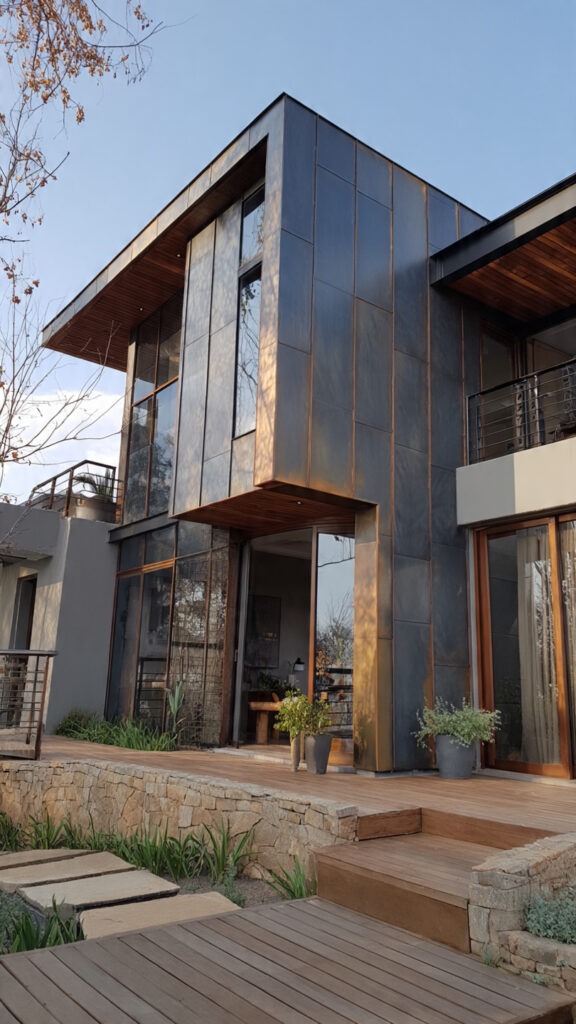
Cladding and Energy Efficiency in Gauteng Homes
Homeowners across Randburg and Midrand constantly search for effective ways to reduce their energy bills. Moreover, they want to maintain comfortable indoor temperatures throughout Gauteng’s distinct seasons. Wall cladding offers a powerful solution that transforms how your home manages heat and cold while simultaneously enhancing your property’s exterior appearance.
Understanding Energy Efficiency and Cladding in Gauteng’s Climate
Gauteng experiences a unique climate pattern that challenges homeowners year-round. Summer brings warm days with temperatures reaching up to 28°C, while winter can drop to just 5°C during the coldest months of July and August. Additionally, the region receives most of its rainfall during summer thunderstorms, creating specific environmental demands on your home’s exterior.
Cladding serves as a protective outer layer applied to your home’s walls. This installation creates an additional barrier between your living spaces and the outside environment. Furthermore, when properly installed with insulation materials, cladding significantly reduces heat transfer through your walls.
The principle behind cladding’s effectiveness centers on thermal resistance. Heat naturally flows from warmer areas to cooler ones. During Gauteng’s hot summers, exterior heat attempts to penetrate your home. Conversely, during cold winters, your home’s warmth tries to escape through the walls. Cladding with proper insulation creates resistance to this heat flow, keeping your home comfortable regardless of outdoor conditions.
How Cladding Reduces Energy Consumption Throughout the Year
External wall cladding systems work by minimizing heat loss during winter and preventing excessive heat gain during summer. Research shows that proper external insulation can reduce energy consumption by up to 45% while decreasing air infiltration by 55%. These impressive numbers translate directly into lower electricity bills for Gauteng homeowners.
The thermal performance of cladding depends on several factors. First, the insulation material’s R-value indicates its resistance to heat flow. Higher R-values mean better insulating properties. Second, proper installation ensures no gaps exist where air can leak through. Third, the cladding material itself contributes to overall thermal performance.
During Gauteng’s winter months, heated air inside your home naturally wants to escape to the colder outside environment. Traditional walls without proper insulation allow significant heat loss, forcing your heating system to work overtime. Cladding adds a robust insulative layer that traps warmth inside your living spaces. Consequently, your heating system runs less frequently while maintaining comfortable temperatures.
Summer presents the opposite challenge. Gauteng’s warm, sunny days can heat your home’s exterior walls significantly. This heat then radiates inward, making your interior uncomfortably warm. Quality cladding systems reflect or absorb this heat before it penetrates your living spaces. As a result, your air conditioning system operates more efficiently, consuming less electricity.
Types of Cladding Materials and Their Insulation Properties
Different cladding materials offer varying levels of thermal performance. Composite cladding provides moderate insulation with built-in thermal properties. The higher wood content and denser core of premium composite options enhance both thermal and noise insulation. Wood composite costs more than vinyl but less than solid wood or stone options.
PVC cladding offers excellent durability and weather resistance at an affordable price point. This material improves thermal insulation effectively, helping maintain stable indoor temperatures year-round. Additionally, PVC cladding resists moisture, insects, and requires minimal maintenance. Its lightweight nature makes installation straightforward while reducing structural load on your home.
Wood cladding brings natural insulating properties to your home’s exterior. Wood naturally regulates temperature due to its cellular structure. However, it requires regular maintenance including sealing and staining to preserve its appearance and protective qualities. When sourced responsibly, wood represents an environmentally sustainable choice that adds timeless elegance to Gauteng properties.
Metal panels, including aluminum and steel options, provide exceptional durability and fire resistance. These panels often come with integrated insulation layers, creating high-performance wall assemblies. While initially more expensive, metal cladding lasts decades with minimal maintenance requirements.
The Connection Between Cladding and Your Outdoor Living Spaces
Just as cladding improves your home’s energy efficiency, other exterior improvements can enhance your overall property comfort and value. Many Randburg and Midrand homeowners combine cladding installations with artificial grass to create beautiful, low-maintenance outdoor spaces. This combination reduces both energy consumption and water usage significantly.
Artificial grass installation complements energy-efficient homes by eliminating the need for gas-powered lawnmowers and irrigation systems. The synthetic turf also helps moderate ground temperatures around your home’s foundation. During hot summer days, quality artificial grass stays cooler than concrete or bare soil, creating a more comfortable outdoor environment.
Professional landscaping companies understand how different exterior improvements work together. LawnKing Gardens provides comprehensive solutions that address both aesthetic and functional needs. Their expertise extends from artificial grass systems to complete landscape transformations that support your home’s energy efficiency goals.
Moisture Control and Prevention Through Proper Cladding
Gauteng’s summer thunderstorms bring heavy, intense rainfall that can damage improperly protected walls. Quality cladding systems include moisture barriers that prevent water infiltration. This protection serves multiple purposes beyond just keeping your walls dry.
Moisture penetration leads to several problems that compromise energy efficiency. Wet insulation loses its thermal resistance dramatically. Mold and mildew growth can develop in damp wall cavities, creating health hazards while degrading structural integrity. Additionally, moisture encourages wood rot in structural elements, leading to expensive repairs.
Modern cladding installations incorporate proper drainage systems. These systems channel water away from your walls before it can penetrate the exterior surface. Perforated backing allows any moisture that does reach behind the cladding to drain downward harmlessly. This drainage capability becomes especially important during Gauteng’s heavy summer thunderstorms.
Vapor barriers form another crucial component of moisture control. These barriers prevent humid interior air from reaching cold surfaces where condensation might form. During winter, the temperature difference between your warm interior and cold exterior can create condensation problems. Proper vapor barriers eliminate this issue while maintaining the insulation’s effectiveness.
Sound Insulation Benefits for Urban Living
Homeowners in Randburg and Midrand often face noise challenges from traffic, neighbors, and urban activity. Cladding provides an unexpected benefit by significantly reducing external noise penetration. The additional layer creates a sound barrier that makes your home’s interior noticeably quieter.
Different cladding materials offer varying levels of sound insulation. Composite cladding with higher wood content and denser cores provides excellent noise reduction. The thickness and density of the material directly impact its sound-dampening properties. When combined with proper insulation in the wall cavity, cladding creates a multi-layered defense against noise pollution.
This acoustic benefit enhances your quality of life beyond just energy savings. Quieter homes promote better sleep, reduce stress, and create more peaceful living environments. Families with young children playing on artificial grass installations or hosting outdoor gatherings appreciate having neighbors less disturbed by sounds.
Installation Considerations for Maximum Energy Efficiency
Proper installation determines whether your cladding achieves its full energy-saving potential. Professional installers ensure correct techniques that maximize thermal performance. Key installation factors include proper sealing around windows and doors, adequate ventilation behind the cladding, and continuous insulation coverage without gaps.
Air sealing represents one of the most critical aspects of energy-efficient cladding installation. Even small gaps can allow significant air leakage, undermining your insulation’s effectiveness. Professional installers use appropriate flashing and sealants around penetrations like windows, doors, electrical outlets, and utility connections.
Ventilation requirements must balance with airtightness goals. Some cladding systems require air gaps between the insulation layer and exterior cladding material. This gap allows moisture to escape while preventing condensation buildup. Proper ventilation also extends your cladding’s lifespan by keeping materials dry and preventing decay.
Thermal bridging occurs when conductive materials like metal studs or wood framing create pathways for heat transfer through your walls. Quality installations minimize thermal bridging through continuous insulation layers that cover these structural elements. This continuous coverage ensures uniform thermal performance across your entire wall surface.
Cost Considerations and Return on Investment
Cladding installation represents a significant investment for Gauteng homeowners. However, the long-term financial benefits often justify the initial expense. Energy savings accumulate month after month, gradually offsetting your installation costs. Most homeowners find that quality cladding systems pay for themselves within seven to ten years through reduced utility bills.
Several factors influence the total cost of your cladding project. Material choice significantly impacts pricing, with PVC options generally costing less than composite or wood alternatives. The size of your home and complexity of its architecture also affect installation expenses. Properties with many windows, corners, or architectural details require more labor and materials.
Professional installation ensures your investment delivers maximum returns. While DIY approaches might seem cost-effective initially, improper installation can reduce energy efficiency and create expensive problems. Professional services guarantee proper techniques, appropriate materials, and warranted workmanship.
Beyond energy savings, cladding adds significant value to your property. Improved curb appeal attracts potential buyers if you decide to sell. Modern, well-maintained exteriors command premium prices in Gauteng’s competitive real estate market. Additionally, buyers increasingly prioritize energy-efficient features when making purchase decisions.
Combining Cladding with Other Energy Efficiency Improvements
Cladding works most effectively as part of a comprehensive energy efficiency strategy. Homeowners should consider complementary improvements that maximize overall performance. Window upgrades, roof insulation, and efficient HVAC systems all contribute to reduced energy consumption.
Modern windows with low-emissivity coatings and multiple panes significantly reduce heat transfer. When combined with insulated wall cladding, these windows create a complete thermal envelope around your home. The synergy between properly insulated walls and efficient windows delivers greater savings than either improvement alone.
Roof insulation deserves attention alongside wall cladding projects. Heat rises naturally, making your roof and attic significant sources of thermal loss. Comprehensive insulation throughout your home’s envelope ensures consistent temperatures and maximum efficiency.
Landscape improvements also impact your home’s energy performance. Strategic tree placement provides natural shade during summer while allowing sunlight penetration during winter. Artificial grass installations reduce heat island effects around your home’s foundation. These landscaping elements work together with cladding to create comfortable, efficient properties.
Environmental Benefits Beyond Personal Savings
Reduced energy consumption benefits the environment significantly. Lower electricity usage means decreased demand on South Africa’s power grid. This reduced demand lessens the environmental impact of electricity generation, particularly from coal-fired power stations.
Many modern cladding materials use recycled content or sustainable resources. Composite products often incorporate recycled plastics and wood fibers. When sourced responsibly, wood cladding comes from managed forests that replant harvested trees. These sustainable options allow environmentally conscious homeowners to improve their properties while minimizing ecological impact.
The durability of quality cladding systems also provides environmental advantages. Long-lasting materials require less frequent replacement, reducing waste and resource consumption over time. Some cladding options maintain their appearance and performance for twenty-five years or longer with minimal maintenance.
Maintenance Requirements for Sustained Performance
Different cladding materials require varying levels of ongoing maintenance. Understanding these requirements helps you choose options matching your lifestyle and budget. PVC and composite cladding generally need only occasional washing to remove dirt and maintain their appearance. These low-maintenance options appeal to busy homeowners who prefer spending time enjoying their beautiful outdoor spaces rather than performing maintenance tasks.
Wood cladding demands more attention but rewards homeowners with natural beauty and excellent insulation properties. Regular sealing protects against moisture penetration and UV damage. Periodic staining or painting maintains the wood’s appearance while preventing degradation. With proper care, wood cladding can last for decades while retaining its thermal performance.
Regular inspections help identify potential issues before they become expensive problems. Check sealants around windows and doors annually, replacing any that show cracks or gaps. Look for signs of moisture damage, including discoloration, warping, or soft spots. Address any problems promptly to maintain your cladding’s energy efficiency and protect your home’s structure.
Professional maintenance services provide thorough assessments and expert repairs when needed. These services ensure your cladding continues delivering optimal energy savings throughout its lifespan. Companies like LawnKing Gardens offer comprehensive property maintenance solutions that keep your entire exterior performing efficiently.
Making the Right Choice for Your Gauteng Home
Selecting appropriate cladding for your Randburg or Midrand property requires careful consideration of multiple factors. Your budget establishes the range of available options. However, remember that higher initial investments often deliver better long-term value through superior performance and longevity.
Climate considerations play a crucial role in material selection. Gauteng’s combination of intense sun exposure, occasional heavy rainfall, and temperature fluctuations demands durable, weather-resistant options. Choose materials specifically designed to withstand these conditions while maintaining their thermal properties.
Your home’s architectural style should guide aesthetic choices. Modern homes often benefit from sleek composite or metal cladding options. Traditional properties might look best with classic wood cladding. The right choice enhances your home’s character while delivering the energy efficiency improvements you need.
Professional consultation helps navigate the decision-making process. Experienced providers assess your specific situation, recommend appropriate materials, and explain installation processes clearly. They can also integrate cladding projects with other improvements like irrigation systems or landscape upgrades for comprehensive property enhancement.
Transform Your Home’s Energy Efficiency Today
Wall cladding offers Gauteng homeowners a proven solution for reducing energy consumption while improving comfort and property value. The combination of thermal insulation, moisture protection, and aesthetic enhancement makes cladding an investment that pays dividends for years to come.
Whether you choose PVC, composite, wood, or metal options, quality cladding systems significantly impact your home’s performance. During hot Gauteng summers, proper insulation keeps interiors comfortable without excessive air conditioning. Throughout cold winter months, cladding retains warmth efficiently, reducing heating costs substantially.
The benefits extend beyond personal savings to include environmental advantages and enhanced quality of life. Reduced energy consumption lessens your carbon footprint while contributing to grid stability. Quieter, more comfortable living spaces improve daily life for your entire family.
Professional installation ensures your cladding investment delivers maximum returns. Expert installers understand proper techniques, moisture management, and integration with other building systems. Their workmanship guarantees optimal performance while protecting your property from potential issues.
Consider combining your cladding project with complementary improvements for comprehensive property enhancement. Modern, energy-efficient homes with beautiful exteriors command premium values in Gauteng’s real estate market. They also provide comfortable, sustainable living environments that benefit your family immediately and for decades to come.
Ready to explore how cladding can transform your Randburg or Midrand property’s energy efficiency? Contact local experts who understand Gauteng’s unique climate challenges and can recommend solutions tailored to your specific needs. Your investment in quality cladding today creates savings and comfort that last for years.