
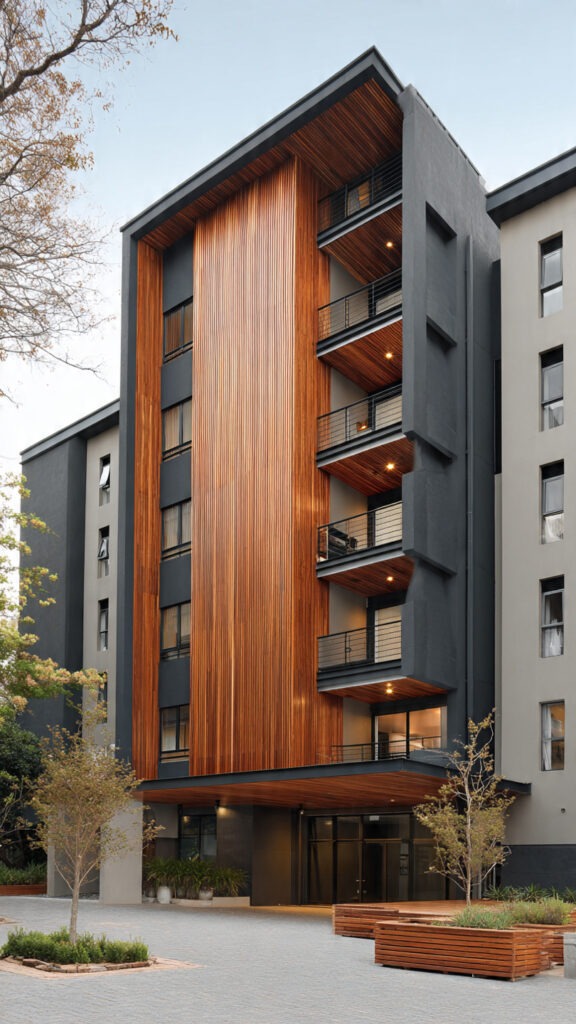
Cladding Approval Requirements in Johannesburg
Understanding the regulatory landscape for cladding projects can feel overwhelming. However, navigating municipal regulations and homeowners association requirements doesn’t have to be complicated. This comprehensive guide clarifies when you need building approval for cladding installation in Johannesburg and helps you understand the process.
Understanding Building Regulations in South Africa
The National Building Regulations and Building Standards Act (No. 103 of 1977) governs all construction activities in South Africa. This legislation clearly states that no person may erect, alter, add to, or convert any building without prior approval from the local authority. Cladding installation falls under these regulations because it alters the external appearance and structure of your property.
The regulations apply equally to residential and commercial properties. Moreover, they cover various types of cladding materials. Whether you’re installing artificial grass wall cladding, PVC panels, or decorative facades, you must follow the proper approval process.
When Building Approval Is Required for Cladding
Building approval for cladding installation becomes mandatory in specific situations. Therefore, understanding these scenarios helps you plan your project correctly.
Major Cladding Projects
You need approval when your cladding project covers 25% or more of an external wall. This threshold exists because such extensive work significantly affects the building’s thermal performance and structural integrity. Additionally, large-scale projects impact the property’s fire safety characteristics.
Furthermore, any cladding installation that involves structural modifications requires approval. This includes projects where you attach frameworks to existing walls or install support systems. Such installations affect the building’s load-bearing capacity and overall stability.
Changes to Building Function
The City of Johannesburg requires approval when cladding changes how a building functions. For instance, adding insulated cladding panels transforms the thermal properties of your walls. Similarly, installing sound-dampening cladding panels alters the acoustic characteristics of the structure.
Even decorative changes may require approval if they significantly modify the building’s external appearance. This applies especially in heritage areas or areas with specific aesthetic guidelines.
The Johannesburg Building Approval Process
Navigating the approval process becomes simpler when you understand the required steps and documentation. The City of Johannesburg has specific requirements that property owners must meet.
Required Documentation
First, you must submit a complete set of building plans. These plans should show the existing structure and the proposed cladding installation. Professional architects or draftspersons typically prepare these documents using specific scales. Site plans require scales of 1:1000, 1:500, 1:300, 1:200, or 1:100. Layout drawings need scales of 1:100, 1:50, or 1:20.
Second, you need a council submission form and various supporting documents. These include a copy of your latest water and electricity account, your ID document, and the property’s title deed. Additionally, you must provide a zoning certificate from the Geographical Information Service.
Third, structural work requires an engineer’s appointment form. A registered engineer must sign this document and take responsibility for the structural soundness of your installation.
Timeline Expectations
The City of Johannesburg processes building plan applications within specific timeframes. For buildings under 500 square meters, approval takes approximately 30 days. Larger buildings require up to 60 days for approval processing.
However, these timelines assume your documentation is complete and correct. Incomplete applications face delays while officials request additional information. Therefore, working with experienced professionals helps ensure faster approval.
Homeowners Association Requirements
Many Johannesburg properties fall under homeowners association governance. Consequently, you must understand HOA requirements in addition to municipal regulations.
HOA Architectural Guidelines
HOAs maintain architectural guidelines to preserve community aesthetics. These guidelines typically cover exterior modifications including cladding installations. Therefore, you must submit your cladding plans to the HOA architectural committee before proceeding.
The HOA reviews your proposal against their memorandum of incorporation and architectural rules. They consider factors such as color schemes, material types, and visual impact on neighboring properties. Moreover, they ensure your project maintains the community’s overall design standards.
The HOA Approval Process
First, request a copy of your HOA’s architectural guidelines and submission requirements. Understanding these rules helps you design a compliant project from the start.
Second, prepare detailed plans showing your proposed cladding installation. Include material samples, color swatches, and visual renderings where possible. Clear communication helps the committee understand your vision.
Third, submit your application and attend any required meetings. The HOA may request modifications to ensure compliance with community standards. Furthermore, they must apply their rules consistently across all members.
Recent court cases emphasize the importance of consistent rule application. HOAs face legal challenges when they selectively enforce architectural guidelines. Therefore, ensure your HOA follows fair and transparent approval processes.
Exempt Developments and Minor Work
Not all cladding projects require building approval. Understanding these exemptions saves time and administrative costs.
Minor Cosmetic Changes
Simple repainting or replastering doesn’t require approval. These activities don’t alter the building’s structure or drainage system. Similarly, applying decorative finishes that don’t change wall thickness or thermal properties may not need approval.
However, even minor work must comply with the Building Code of Australia standards. Additionally, heritage properties face stricter requirements regardless of project scope.
Pre-Approved Materials
Some municipalities maintain lists of pre-approved cladding materials and installation methods. Projects using these approved systems may qualify for expedited approval processes. Therefore, check with your local authority about available shortcuts.
Special Considerations for Johannesburg Properties
Johannesburg’s unique characteristics create additional considerations for cladding projects.
Heritage Properties
Buildings older than 60 years receive automatic heritage protection. Therefore, any alterations require approval from the Provincial Heritage Resource Agency Gauteng (PHRAG) before municipal submission.
The heritage approval process involves detailed motivation for your proposed changes. Local heritage committees review submissions and provide recommendations. This additional layer of approval extends your project timeline significantly.
Sectional Title Properties
Sectional title properties face complex approval requirements. You must first amend and approve building plans. Then, a land surveyor must amend the sectional title plans. Finally, the Surveyor General must approve these changes.
This process takes several months beyond standard municipal approval times. Moreover, most banks require completed sectional title plan amendments before approving property bonds.
Why Compliance Matters
Following proper approval procedures protects your investment and ensures legal compliance.
Property Transfer Issues
Non-compliant modifications create serious problems during property sales. Bank valuators identify discrepancies between approved plans and actual structures. These issues delay transfers by three to six months or longer.
Furthermore, sellers become liable for correcting non-compliant work. This requirement applies even when previous owners made the modifications. Therefore, obtaining proper approvals protects future saleability.
Insurance and Liability
Insurance companies may refuse claims related to non-approved modifications. This leaves property owners financially exposed when problems arise. Additionally, municipalities can issue stop-work orders and require removal of non-compliant installations.
Alternative Landscaping Solutions
Sometimes, alternative solutions achieve your aesthetic goals without complex building approvals. Lawn King Gardens specializes in innovative landscaping solutions that transform properties while minimizing regulatory hurdles.
Artificial Grass Wall Installations
Artificial green walls provide stunning vertical landscaping without permanent structural modifications. These installations create visual impact while typically requiring less intensive approval processes.
The versatility of artificial greenery allows creative design options. You can select from various plant species and arrangements. Moreover, these walls require minimal maintenance compared to living plant walls.
Premium Artificial Turf Solutions
Lawn King Gardens offers extensive ranges of artificial grass products from 10mm to 35mm pile heights. These solutions work for residential gardens, commercial properties, and sports facilities.
Premium 35mm artificial grass provides luxurious feel with multi-filament surfaces. The UV-stabilized materials maintain vibrant colors throughout Johannesburg’s intense sunlight. Additionally, the pre-punched drainage backing ensures functionality during heavy rainfall.
For lower-profile applications, 25mm artificial turf offers excellent performance with slightly reduced pile height. This option suits balconies, patios, and commercial spaces effectively.
Professional Installation Services
Lawn King provides comprehensive artificial grass installation services throughout Randburg and Midrand. Their expert team handles everything from site assessment to final installation.
Professional installation ensures proper drainage systems and precise seaming. Moreover, experienced installers understand local regulations and can advise on approval requirements. The company’s approach includes initial consultation, site preparation, and after-care support.
Working with Professional Contractors
Choosing qualified professionals simplifies the approval process significantly.
Benefits of Professional Services
Professional contractors understand municipal requirements and HOA guidelines. They prepare accurate documentation that meets all regulatory standards. Furthermore, they manage the submission process and respond to official queries.
Experienced professionals also anticipate potential approval obstacles. They design projects that satisfy both aesthetic goals and regulatory requirements. This expertise reduces delays and rejection risks.
Verifying Contractor Credentials
Ensure your contractor holds appropriate registrations and insurance. Check their experience with similar projects in Johannesburg. Additionally, request references from recent clients in your area.
Professional companies like Lawn King Gardens provide transparent communication throughout the project. They maintain availability for consultations and questions. Moreover, they offer warranties on their workmanship and materials.
Current Regulatory Trends
Understanding current trends helps you anticipate future regulatory changes.
Energy Efficiency Requirements
South African building regulations increasingly emphasize energy efficiency. According to SANS 10400-XA standards, cladding projects must consider thermal performance requirements. Installations affecting more than 25% of external walls trigger these energy efficiency provisions.
These requirements aim to reduce greenhouse gas emissions from buildings. Therefore, modern cladding projects often incorporate insulation improvements. Professional installers understand these requirements and design compliant solutions.
Fire Safety Considerations
International incidents like the Grenfell Tower fire influenced building regulations worldwide. South African authorities now scrutinize cladding materials for fire safety. Non-combustible or fire-resistant materials receive preference during approval processes.
Municipal building control officers evaluate fire risks carefully. They consider material flammability, fire spread potential, and evacuation safety. Therefore, selecting appropriate materials becomes crucial for approval success.
Practical Steps for Homeowners
Taking systematic steps ensures smooth project execution.
Initial Planning
First, clarify your project goals and budget. Research different cladding options and their regulatory implications. Consider consulting with professionals before committing to specific materials.
Second, obtain copies of relevant regulations and guidelines. Contact the City of Johannesburg Building Control department for current requirements. Additionally, review your HOA’s architectural guidelines if applicable.
Third, schedule site assessments with potential contractors. Professional evaluations identify site-specific challenges and opportunities. These assessments inform realistic project timelines and budgets.
Budget Considerations
Building approval costs vary based on project scope and property value. Factor these expenses into your overall budget from the start. Additionally, allow contingency funds for potential plan modifications or additional requirements.
Professional fees for architects and engineers represent significant costs. However, proper professional involvement reduces rejection risks and delays. Therefore, these investments typically prove worthwhile.
Timeline Planning
Realistic timeline planning prevents frustration and manages expectations. Account for documentation preparation, approval processing, and actual construction time. Additionally, include buffer time for potential complications or delays.
For heritage properties or complex sectional title situations, extend your timeline significantly. These projects require multiple approval layers before construction begins. However, patient compliance ensures legal security and protection of your investment.
Resources and Support
Numerous resources support property owners navigating cladding approval requirements.
Municipal Resources
The City of Johannesburg provides information through their Building Control sub-directorate. Officials offer guidance on submission requirements and processing timelines. Additionally, they can clarify specific questions about your property situation.
Online resources include the SANS10400 building regulations website, which explains South African building standards comprehensively. This platform answers common questions and provides practical guidance.
Professional Organizations
Various professional organizations offer valuable information and referrals. The South African Council for the Architectural Profession maintains registers of qualified professionals. Similarly, engineering councils verify credentials of registered engineers.
Industry associations provide updates on regulatory changes and best practices. Staying informed through these channels ensures compliance with current requirements.
Conclusion
Building approval for cladding installation in Johannesburg requires careful attention to municipal regulations and HOA requirements. Most cladding projects need official approval, especially when covering significant wall areas or involving structural modifications. The approval process involves proper documentation, appropriate timelines, and often professional assistance.
However, alternative solutions like artificial grass installations from Lawn King Gardens provide stunning results with potentially simpler approval processes. Whether you proceed with traditional cladding or explore innovative alternatives, understanding regulatory requirements protects your investment and ensures legal compliance.
Taking time to obtain proper approvals may seem inconvenient initially. Nevertheless, this diligence prevents serious complications during property transfers and protects your insurance coverage. Moreover, working with experienced professionals like Lawn King Gardens in Randburg and Midrand simplifies the entire process while ensuring quality results.
For expert guidance on artificial grass installations and innovative landscaping solutions that complement or replace traditional cladding, contact Lawn King Gardens today. Their team provides professional consultation and installation services throughout the Johannesburg area, helping you achieve your aesthetic goals while navigating regulatory requirements effectively.
Recent Posts:
- Timber vs. Composite Cladding: Which Works Best for Johannesburg Homes?
- How Much Does Cladding Installation Cost in Johannesburg Suburbs in 2024?
- What Are the Best Cladding Materials for Johannesburg’s Highveld Climate?
- Commercial Paving ROI: How Rosebank and Illovo Businesses Boost Property Value with Quality Surfacing