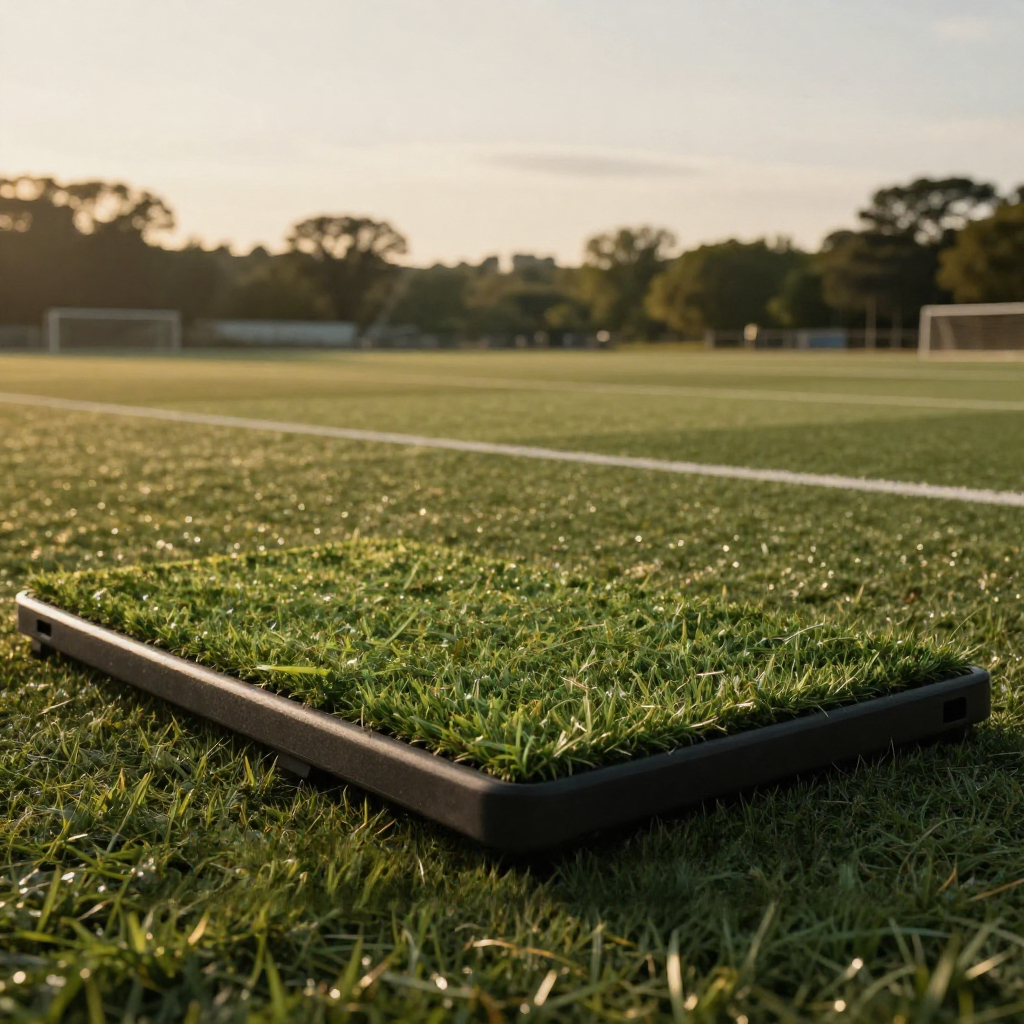
Artificial Sports Turf Safety
The debate around artificial sports turf safety continues to spark intense discussion among athletes, facility managers, and parents. Modern synthetic playing surfaces have evolved dramatically since their introduction in the 1960s. Therefore, understanding the current safety standards becomes essential for making informed decisions about sports facilities.
The Evolution of Artificial Sports Turf Safety
Artificial sports turf has transformed significantly over the decades. Early generations of synthetic surfaces earned poor reputations due to inadequate shock absorption and higher injury rates. However, today’s advanced systems incorporate sophisticated engineering to prioritize player safety.
Modern artificial sports turf systems now integrate multiple layers designed specifically for impact protection. Additionally, manufacturers must meet stringent international certifications before their products reach professional sporting venues. Consequently, the safety profile of contemporary synthetic surfaces bears little resemblance to their predecessors.
Understanding Shock Absorption in Artificial Sports Turf
Shock absorption represents the most critical safety feature in any artificial sports turf system. This characteristic determines how effectively the surface cushions player impacts during falls, tackles, and high-intensity movements.
The Role of Shock Pads
Shock pads serve as the foundation for safe artificial sports turf installations. These specialized underlayers absorb impact forces that would otherwise transfer directly to players’ joints and bones. Research indicates that one in five concussions occur when players’ heads strike the turf surface. Thus, proper shock absorption becomes non-negotiable for player safety.
Quality shock pads balance two competing requirements. First, they must provide sufficient cushioning to protect athletes from injury. Second, they need adequate firmness to support natural movement and optimal athletic performance. This delicate balance separates premium installations from substandard alternatives.
Modern shock pad technology utilizes closed-cell polyethylene foams specifically engineered for sports applications. These materials maintain their elastic properties throughout multiple turf lifecycles. Moreover, they excel at both vertical and horizontal drainage, preventing water accumulation that could compromise playing conditions.
FIFA and FIH Certification Standards
International sports governing bodies establish rigorous benchmarks for artificial sports turf safety and performance. FIFA and FIH certifications represent the gold standard for synthetic playing surfaces worldwide.
FIFA Quality Standards Explained
FIFA maintains two distinct certification levels for artificial sports turf. The FIFA Quality standard suits recreational facilities, community fields, and amateur competitions. Meanwhile, FIFA Quality Pro certification meets the elevated requirements of professional leagues and international tournaments.
These certifications evaluate multiple performance parameters critical to both safety and playability. Testing protocols measure shock absorption levels to ensure adequate player protection during impacts. Additionally, assessments examine vertical deformation, which affects player comfort and movement efficiency.
Rotational resistance testing proves particularly important for injury prevention. This measurement determines the surface’s resistance to twisting forces that could cause knee and ankle injuries. Furthermore, FIFA standards require specific ball rebound heights and roll distances to replicate natural grass characteristics.
The Testing Process
Achieving FIFA certification requires passing comprehensive laboratory and field examinations. Accredited testing facilities evaluate sample materials before installation. Subsequently, on-site inspections verify that completed fields meet all performance criteria.
The testing examines wear resistance to ensure long-term durability under intensive use. Temperature measurements confirm that surfaces remain within safe ranges even during hot weather. Seam strength testing guarantees that field integrity persists throughout years of demanding play.
Regular re-certification maintains compliance over time. This ongoing monitoring ensures that aging surfaces continue meeting safety standards. Therefore, facilities hosting official matches must maintain their certification status through periodic inspections.
Comparing Injury Rates: Artificial Sports Turf vs Natural Grass
Scientific research provides valuable insights into relative injury risks between surface types. Multiple peer-reviewed studies have examined this critical safety question across various sports and competition levels.
What the Research Shows
A comprehensive four-year study tracking Major League Soccer injuries revealed comparable overall injury rates between surfaces. Researchers recorded 1.54 injuries per game on artificial turf compared to 1.49 on natural grass. This minimal difference suggests that modern synthetic surfaces achieve safety parity with traditional playing fields.
However, certain injury types showed notable variations between surface types. Ankle injuries and Achilles tendon issues occurred more frequently on artificial sports turf. Conversely, other injury categories demonstrated lower incidence rates on synthetic surfaces.
Further research examining American football found lower overall injury rates on artificial turf. The study documented significantly fewer head, neck, upper limb, and lower limb injuries on synthetic surfaces. Additionally, contusions and nervous system injuries decreased on artificial sports turf compared to natural grass.
The Role of Surface Maintenance
Surface condition dramatically impacts injury risk regardless of material type. Natural grass fields develop uneven areas and bare patches that create hazardous playing conditions. These irregularities increase stumbling risks and unpredictable ball behavior.
Well-maintained artificial sports turf provides consistent surface characteristics throughout the field. This uniformity reduces unexpected footing changes that could trigger injuries. Moreover, synthetic surfaces maintain stable conditions regardless of weather, eliminating the mud and standing water that plague natural fields.
Professional maintenance protocols for artificial sports turf include regular infill redistribution and fiber brushing. These procedures maintain optimal shock absorption and surface traction. Consequently, proper upkeep proves essential for sustained safety performance.
Critical Safety Components Beyond the Surface
Multiple elements work together to create safe artificial sports turf systems. Understanding these components helps facility managers make informed installation and maintenance decisions.
Base Layer Construction
The foundation beneath artificial sports turf significantly influences overall safety. Proper base preparation provides stable support while facilitating efficient drainage. Inadequate base construction leads to surface settlement, pooling water, and compromised shock absorption.
Premium installations utilize engineered base materials with precise compaction specifications. These foundations support uniform surface characteristics across the entire field. Additionally, they enable rapid water evacuation that keeps playing surfaces usable after heavy rainfall.
Infill Material Selection
Infill materials perform multiple critical functions within artificial sports turf systems. They provide weight that stabilizes synthetic fibers in upright positions. Furthermore, they contribute significantly to shock absorption capabilities.
Traditional rubber crumb infill offers excellent cushioning properties. However, environmental concerns have driven development of alternative materials. Sand, cork, and coconut-based infills now provide viable options for different climate conditions and performance requirements.
Proper infill depth and distribution directly affect safety outcomes. Insufficient infill reduces cushioning and allows fibers to lay flat. Excessive infill can slow play and create harder surfaces. Therefore, maintaining optimal infill levels through regular monitoring proves essential.
Drainage System Design
Effective drainage prevents water accumulation that could compromise safety and playability. Modern artificial sports turf systems typically incorporate both vertical and horizontal drainage capabilities. This dual approach ensures rapid water removal under all conditions.
Vertical drainage allows water to percolate through the turf backing and infill materials. Horizontal systems collect and channel water away from the playing surface. Together, these mechanisms keep fields playable even during intense storms.
Implementation Best Practices for Maximum Safety
Creating the safest possible artificial sports turf installation requires attention throughout design, construction, and ongoing maintenance phases.
Pre-Installation Considerations
Site assessment identifies potential challenges before construction begins. Soil testing reveals drainage characteristics that influence base design. Additionally, slope analysis ensures proper water runoff away from playing areas.
Climate considerations affect material selection for optimal performance. High-temperature regions benefit from infill materials that minimize heat retention. Conversely, cold climates require systems that resist frost damage and maintain flexibility.
Professional Installation Standards
Experienced installers understand the critical importance of precise construction techniques. Base preparation must achieve specified compaction levels throughout the entire field. Improper compaction creates soft spots that compromise surface uniformity and safety.
Seam quality proves crucial for field integrity and player safety. Professional installations feature nearly invisible seams that maintain consistent characteristics. Poor seaming creates trip hazards and accelerates system deterioration.
Shock pad installation requires careful attention to manufacturer specifications. Proper alignment and secure attachment prevent shifting that could create dangerous surface variations. Moreover, correct installation ensures optimal performance characteristics throughout the system’s lifespan.
Maintaining Safety Through the Turf Lifecycle
Initial installation quality represents only the starting point for safe artificial sports turf. Ongoing maintenance preserves safety characteristics throughout years of intensive use.
Regular Inspection Protocols
Systematic inspections identify potential safety issues before they create hazards. Monthly walkthroughs check for visible damage, seam separation, or infill displacement. Additionally, periodic testing verifies that shock absorption remains within acceptable ranges.
High-traffic areas require particular attention during inspections. Goal areas, center circles, and sidelines experience concentrated wear that accelerates deterioration. Early detection of problems allows cost-effective repairs that maintain safety standards.
Preventive Maintenance Procedures
Regular brushing prevents fiber matting that reduces cushioning and creates harder surfaces. This simple procedure maintains optimal playing characteristics while extending system lifespan. Furthermore, brushing redistributes infill materials to areas experiencing migration.
Deep cleaning removes accumulated debris, organic matter, and contaminants. These materials can compromise drainage and create bacterial growth. Professional cleaning services utilize specialized equipment that extracts deeply embedded materials without damaging synthetic fibers.
Infill replenishment addresses gradual loss through play and environmental factors. Maintaining proper infill depth ensures consistent shock absorption across the entire field. Therefore, regular monitoring and topping-up prevents safety degradation over time.
Making Informed Decisions for Your Facility
Selecting artificial sports turf requires balancing multiple factors including safety, performance, budget, and intended use patterns.
Matching Systems to Usage Requirements
Light recreational use demands different specifications than professional competition. Community sports fields hosting 40-60 weekly playing hours benefit from FIFA Quality certified systems. Conversely, elite facilities require FIFA Quality Pro surfaces designed for professional standards.
Multi-sport facilities need versatile systems accommodating various activities. Tennis court applications require specific fiber characteristics and infill compositions. Meanwhile, football fields prioritize different performance attributes. Therefore, understanding intended uses guides appropriate system selection.
Long-Term Value Considerations
Initial installation costs represent only one component of total ownership expenses. Quality systems require less frequent replacement and reduced maintenance interventions. Moreover, certified surfaces maintain their value and reputation throughout longer lifecycles.
Safety performance directly impacts liability exposure for facility operators. Inferior installations increase injury risks that create legal and financial consequences. Conversely, premium systems that meet international standards demonstrate commitment to participant welfare while minimizing litigation risks.
The Future of Artificial Sports Turf Safety
Ongoing research and technological advancement continue improving synthetic surface safety. Manufacturers invest heavily in developing materials that enhance player protection while maintaining optimal performance characteristics.
Emerging infill materials address environmental concerns without compromising safety. Bio-based alternatives derived from renewable resources provide sustainable options. Additionally, these innovations often improve heat management in warm climates.
Testing protocols evolve to incorporate new understanding of injury mechanisms. Head Injury Criterion (HIC) measurements now supplement traditional G-max impact testing. This comprehensive approach ensures that surfaces protect against various injury types affecting modern athletes.
Transform Your Sports Facility with Confidence
The evidence demonstrates that properly designed, installed, and maintained artificial sports turf provides safety comparable to natural grass. Furthermore, synthetic surfaces offer consistency advantages that natural fields cannot match. Therefore, facilities seeking reliable, safe playing surfaces should consider modern artificial sports turf systems.
LawnKing Gardens specializes in professional artificial sports turf installations throughout Randburg and Midrand. Our experienced team understands the critical importance of proper construction techniques and ongoing maintenance. Moreover, we provide comprehensive support ensuring your investment delivers maximum safety and performance throughout its lifecycle.
Contact our specialists today to discuss your sports facility requirements. We’ll assess your specific needs and recommend solutions that prioritize player safety while meeting your performance and budget objectives. Together, we’ll create playing surfaces that athletes, coaches, and parents can trust.
Frequently Asked Questions About Artificial Sports Turf Safety
How long does artificial sports turf maintain its safety characteristics?
Quality installations with proper maintenance typically perform well for 8-10 years. However, shock absorption gradually decreases over time. Regular testing ensures surfaces remain within safe parameters. Additionally, shock pad replacement can extend total system life beyond the synthetic fiber lifespan.
Does artificial sports turf increase heat-related risks?
Surface temperatures can exceed ambient air temperatures, particularly with dark infill materials. However, modern cooling technologies and light-colored infills significantly reduce heat retention. Furthermore, strategic irrigation can provide immediate temperature relief when necessary.
Can existing natural grass fields convert to artificial sports turf?
Most natural fields can accommodate synthetic surface installation. However, proper base preparation proves critical for safety and performance. Professional site assessment identifies any necessary modifications before construction begins. Consequently, consultation with experienced installers ensures optimal outcomes.
What maintenance frequency keeps artificial sports turf safe?
Weekly brushing maintains fiber orientation and infill distribution. Monthly inspections identify potential issues requiring attention. Deep cleaning annually removes accumulated contaminants. Moreover, professional assessments every 2-3 years verify continued compliance with safety standards.
Looking for premium artificial grass solutions in Randburg and Midrand? LawnKing Gardens delivers professional installations backed by years of experience and commitment to customer satisfaction. Call us today at 068 474 7303 for your free consultation.
Recent Posts:
- What’s the Return on Investment for Sports Facilities Installing Artificial Turf?
- How Does Artificial Putting Grass Compare to Natural Greens for Ball Roll and Speed?
- What Maintenance Does Artificial Sports Turf Require for Optimal Performance?