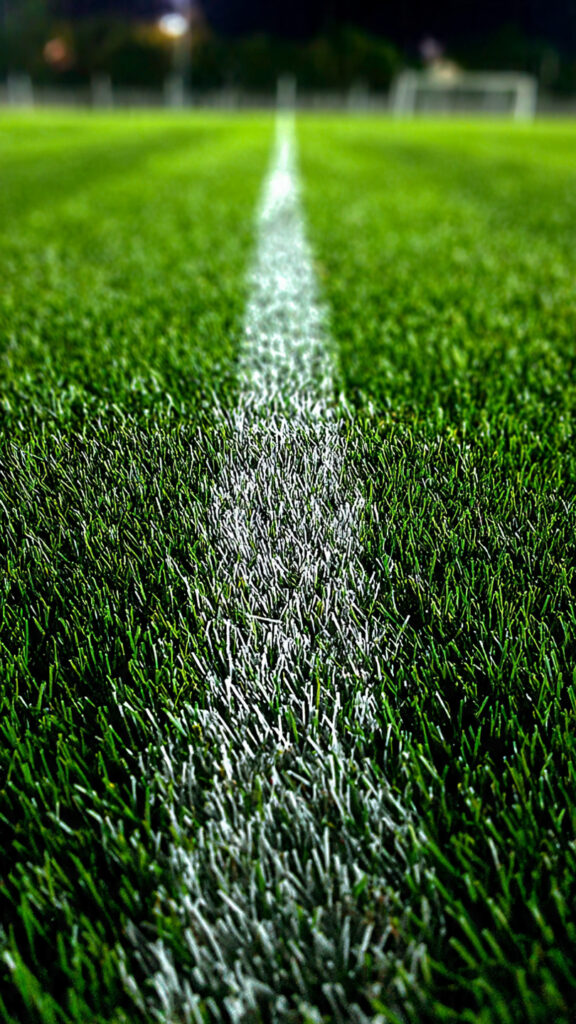
Artificial Sports Turf Maintenance Guide for Optimal Performance
Investing in artificial sports turf transforms your playing surface into a year-round facility. However, maintaining peak performance requires consistent care. Understanding proper maintenance procedures ensures your investment delivers maximum value over its lifespan.
At LawnKing Gardens in Randburg and Midrand, we’ve installed countless artificial grass sports surfaces across Gauteng. Through this experience, we’ve learned that proper maintenance makes the difference between a surface that lasts eight years and one that performs optimally for fifteen years.
Why Artificial Sports Turf Requires Regular Maintenance
Many facility managers mistakenly believe artificial sports turf is maintenance-free. This misconception costs organizations thousands in premature replacements. While synthetic surfaces require significantly less upkeep than natural grass, they still demand regular attention.
Your artificial turf faces constant challenges. Heavy foot traffic compacts infill material. Weather deposits dust and debris. UV exposure gradually affects fiber integrity. Without proper care, these factors degrade performance and shorten lifespan.
Think of artificial sports turf maintenance as preventive healthcare for your facility. Regular check-ups catch small issues before they become expensive problems. Consistent care maintains safety standards and preserves your playing surface’s professional appearance.
Daily and Weekly Maintenance for Sports Turf
Debris Removal Keeps Surfaces Clean
Start each day with thorough debris removal. Leaves, dirt, and litter accumulate quickly on outdoor surfaces. Use a leaf blower or soft-bristle broom to clear loose materials. This simple step prevents organic matter from breaking down and creating unwanted growth.
For sports facilities with heavy use, schedule debris removal twice daily. Morning sessions prepare the surface for play. Evening clearing prevents overnight accumulation. This routine takes minimal time but significantly impacts surface cleanliness.
Pay special attention to high-traffic zones. Goalmouth areas on soccer fields and service boxes on tennis courts collect more debris. These locations need extra scrutiny during daily maintenance rounds.
Brushing Maintains Fiber Position
Weekly brushing restores fiber alignment and redistributes infill material. Sports turf fibers flatten under constant use. Regular brushing lifts them back to their original upright position. This process maintains consistent ball bounce and player traction.
Use a mechanical brush specifically designed for artificial grass maintenance. Brush against the grain to maximize fiber lifting. Work in different directions each session to prevent wear patterns from developing.
Most facilities schedule brushing after peak usage periods. This timing allows fibers to settle before the next round of play. Weekly brushing also helps identify areas where infill has migrated or depleted.
Monthly Deep Cleaning Procedures
Power Grooming Restores Surface Quality
Monthly power grooming goes deeper than regular brushing. This intensive process decompacts infill material and removes embedded debris. Power grooming equipment penetrates the surface layer, restoring proper infill distribution and fiber resilience.
Schedule power grooming during facility downtime to allow adequate recovery time. The process temporarily disrupts the playing surface. Most facilities choose early morning or off-season periods for this maintenance activity.
Professional power grooming equipment costs several thousand rand. Many organizations in Randburg and Midrand partner with specialist maintenance services rather than purchasing equipment. This approach provides expert care without capital investment.
Infill Level Monitoring and Replenishment
Check infill depth monthly across your entire surface. High-traffic areas lose infill faster than less-used sections. Consistent infill depth maintains shock absorption and prevents injury risk.
Measure infill depth at multiple locations. Ideal depth varies by sport and turf specification. Soccer fields typically maintain 40-50mm of infill. Tennis courts require different specifications based on play characteristics.
Add infill material to areas showing depletion. Distribute new material evenly and brush thoroughly to integrate it with existing infill. This replenishment maintains safety standards and preserves playing characteristics. According to global standards from organizations like FIFA, proper infill management directly impacts player safety and surface certification.
Seasonal Maintenance Requirements
Summer Care Protects Against Heat Damage
Gauteng’s intense summer heat challenges artificial sports turf. Surface temperatures can rise significantly above ambient air temperature. Regular watering during extreme heat reduces surface temperature and prevents fiber damage.
Schedule light watering during peak heat hours. This practice cools the surface and removes accumulated dust. Avoid over-watering, which can displace infill material. A light mist provides sufficient cooling without creating drainage issues.
Monitor color fade during summer months. UV exposure gradually affects fiber pigmentation. Quality sports turf includes UV stabilizers, but extreme exposure accelerates fading. Regular inspections help identify areas needing attention.
Winter Maintenance Focuses on Debris Control
Winter brings different challenges. Falling leaves and wind-blown debris accumulate faster during this season. Increase cleaning frequency to prevent organic buildup. Decomposing leaves create slippery conditions and support unwanted vegetation growth.
Cold weather rarely damages modern sports turf in South Africa’s climate. However, frost can temporarily affect surface characteristics. Avoid heavy use immediately after frost events. Allow the surface to warm naturally before resuming normal activities.
Check drainage systems before rainy season begins. Clear perimeter drains and inspection ports. Proper drainage prevents water pooling, which can damage the sub-base and create unsafe playing conditions.
Specialized Maintenance for Different Sports
Soccer Field Considerations
Soccer fields experience concentrated wear in specific zones. Goalmouth areas, penalty spots, and center circles need extra attention. These high-traffic locations require more frequent brushing and infill replenishment.
Line markings on artificial soccer turf demand careful maintenance. Painted lines fade over time and require periodic refreshing. Ensure line paint is specifically formulated for synthetic turf to prevent fiber damage.
Rotate training activities across different field sections when possible. This strategy distributes wear more evenly and extends overall surface life. Many professional facilities alternate between multiple training zones.
Tennis Court Surface Care
Tennis courts require meticulous care to maintain consistent ball bounce. Surface evenness directly affects play quality. Monthly measurements ensure uniformity across the entire court surface.
Seam inspection is critical for tennis courts. Lifted or damaged seams create trip hazards and affect ball roll. Check seams monthly and address any issues immediately. Professional tennis court turf installation includes durable seaming, but regular monitoring remains essential.
Clean spills immediately on tennis courts. Sports drinks and other beverages can stain synthetic fibers and attract insects. Keep cleaning solutions readily available courtside for quick response.
Multi-Purpose Sports Facility Maintenance
Multi-purpose facilities face unique maintenance challenges. Different sports create varied wear patterns. Rugby, soccer, and field hockey each stress the surface differently. Comprehensive maintenance programs address these diverse demands.
Document usage patterns to identify high-wear zones. Track which sports use which areas and when. This information guides targeted maintenance efforts and helps predict where problems may develop.
Consider seasonal sport rotations when designing maintenance schedules. Many facilities alternate between winter and summer sports. Perform intensive maintenance during transition periods between sporting seasons.
Equipment and Tools for Effective Maintenance
Essential Maintenance Equipment
Professional sports turf maintenance requires specialized equipment. A motorized brush system forms the foundation of any maintenance program. These machines range from compact units for smaller facilities to industrial models for full-size fields.
Invest in quality debris removal tools. Professional leaf blowers designed for sports surfaces provide adequate power without damaging fibers. Choose models with variable speed settings for different applications.
Seam rollers help maintain proper adhesion between turf panels. Regular rolling prevents lifting and ensures smooth transitions. This tool proves essential for facilities in high-temperature environments where adhesives may soften.
Cleaning Solutions and Products
Select cleaning products specifically formulated for artificial sports turf. General-purpose cleaners may damage synthetic fibers or void manufacturer warranties. Sports turf cleaners address common issues like algae growth, staining, and odor control.
Enzyme-based cleaners work effectively for organic matter removal. These solutions break down biological materials without harsh chemicals. Many facilities serving Randburg and Midrand use enzyme cleaners for pet areas and general sanitization.
Keep neutralizing agents available for acidic spills. Battery acid, certain beverages, and some fertilizers can damage synthetic fibers. Quick response with proper neutralizing solutions minimizes permanent damage.
Safety and Performance Testing
Regular Performance Assessments
Schedule annual performance testing to verify safety standards. Shock absorption, vertical deformation, and rotational resistance measurements ensure your surface meets sport-specific requirements. These tests identify degradation before it affects player safety.
Professional testing services use standardized equipment following international protocols. Organizations like the Synthetic Turf Council establish testing procedures that ensure consistent evaluation methods worldwide.
Document all testing results for warranty compliance and facility records. Many insurance policies require annual safety certification for sports facilities. Proper documentation supports these requirements and protects against liability claims.
G-Max Testing for Impact Safety
G-Max testing measures surface hardness and shock absorption. This critical safety metric relates directly to concussion risk and player injury. Testing should occur at multiple locations across your surface, focusing on high-traffic areas.
Results below 200 G’s meet ASTM International standards. Consistently high readings indicate infill compaction or insufficient shock pad performance. Address elevated G-Max readings immediately through deep cleaning and infill restoration.
Many facilities in Gauteng partner with LawnKing Gardens for comprehensive testing and maintenance services. Professional assessment identifies issues that casual inspection might miss.
Professional Maintenance Programs
Benefits of Professional Service
Professional maintenance programs deliver consistent care using industry best practices. Trained technicians identify emerging issues before they become serious problems. Their experience across multiple facilities provides valuable insights for your specific surface.
Scheduled professional service ensures maintenance occurs regularly regardless of staffing changes. Many organizations struggle with maintenance consistency when relying solely on internal staff. Professional contracts eliminate this variable.
Most professional programs include emergency response services. Unexpected damage or urgent issues receive prompt attention. This support proves invaluable when events or tournaments approach.
Cost Considerations for Maintenance Programs
Maintenance costs vary based on facility size, usage intensity, and service level. Basic programs covering essential cleaning and brushing typically cost less than comprehensive packages including testing and infill management.
Budget approximately 5-10% of initial installation cost annually for proper maintenance. This investment protects your larger capital expenditure and maintains optimal performance. Neglecting maintenance to save money ultimately costs more through premature replacement.
Compare the annual maintenance cost against natural grass alternatives. Artificial sports turf maintenance remains significantly less expensive than maintaining quality natural grass. Water savings alone offset much of the maintenance expense in water-restricted areas.
Common Maintenance Mistakes to Avoid
Using Incorrect Equipment
Avoid using equipment designed for natural grass on artificial surfaces. Metal rakes, sharp tools, and aggressive brushes damage synthetic fibers. Always use tools specifically manufactured for artificial turf applications.
Power washing requires careful technique. Excessive pressure dislodges infill and can separate seams. If power washing becomes necessary, use low pressure settings and keep the nozzle at appropriate distance from the surface.
Never use metal scrapers or shovels on artificial turf. These tools tear fibers and damage backing material. Snow removal requires plastic shovels or specialized equipment designed for synthetic surfaces.
Neglecting Drainage Maintenance
Drainage systems require regular attention despite being hidden beneath the surface. Clogged drains create water pooling, which degrades the sub-base and creates unsafe conditions. Check perimeter drains quarterly and clear any blockages immediately.
Verify that surface drainage remains effective after heavy rainfall. Standing water indicates drainage problems requiring immediate attention. Poor drainage shortens surface life and voids most manufacturer warranties.
Tree roots and underground issues can affect drainage over time. Annual inspection of drainage systems identifies developing problems. Addressing drainage issues early prevents expensive sub-base repairs.
Inconsistent Maintenance Schedules
Irregular maintenance creates uneven wear patterns and accelerates degradation. Establish a consistent schedule and follow it religiously. Skipping scheduled maintenance saves nothing while creating long-term problems.
Document all maintenance activities in a logbook. Record dates, procedures performed, and any observations about surface condition. This documentation proves invaluable for warranty claims and helps identify developing patterns.
Train multiple staff members on maintenance procedures. Relying on a single person creates vulnerability when that individual is unavailable. Cross-training ensures maintenance continues regardless of personnel changes.
Extending Your Sports Turf Lifespan
Protective Measures During Events
Large events and tournaments create concentrated wear. Consider temporary protective measures for spectator access points and high-traffic zones. Simple barriers and designated pathways distribute foot traffic more evenly.
Prohibit vehicles on artificial sports turf unless absolutely necessary. When vehicle access proves unavoidable, use protective mats under wheels and tracks. Vehicle weight compresses infill and can damage backing material.
Control food and beverage access carefully. Spills from concession areas create staining and attract pests. Establish clear policies about permitted items and enforce them consistently.
Environmental Protection Strategies
Shade areas experience different wear patterns than sun-exposed sections. Monitor these zones separately and adjust maintenance accordingly. Shaded areas may develop moss or algae requiring specialized treatment.
Control vegetation around your facility perimeter. Overhanging trees drop leaves and seeds onto the surface. Root systems can affect drainage and sub-base stability. Regular trimming prevents many environmental issues.
Consider windbreaks for facilities in exposed locations. Wind carries debris onto surfaces and accelerates fiber wear through sand and dust abrasion. Strategic landscaping reduces these environmental impacts.
Working with LawnKing Gardens for Maintenance Support
At LawnKing Gardens, we understand that proper maintenance makes the difference between adequate performance and exceptional results. Our team serves facilities throughout Randburg, Midrand, and greater Gauteng with comprehensive maintenance programs tailored to your specific needs.
We supply all necessary maintenance equipment and materials through our online store. From specialized brushes to infill materials and cleaning solutions, we provide everything needed for effective sports turf care.
Our garden services division offers professional maintenance contracts for organizations preferring expert care. We design programs matching your usage patterns, budget, and performance requirements.
Whether you manage a school facility, corporate sports complex, or community recreation area, proper artificial sports turf maintenance protects your investment and ensures optimal performance. Contact LawnKing Gardens today at 068 474 7303 to discuss your maintenance needs and discover how professional care keeps your facility performing at its best year after year.
Recent Posts:
- Does Artificial Sports Turf Get Too Hot for Play During Johannesburg Summers?
- What’s the Difference Between Hockey Turf, Tennis Court Surfaces, and Padel Court Artificial Grass?
- How Much Does It Cost to Install Artificial Turf for a Full-Size Hockey or Tennis Court?
- How to Choose a Reliable Cladding Supplier and Installer in Johannesburg?