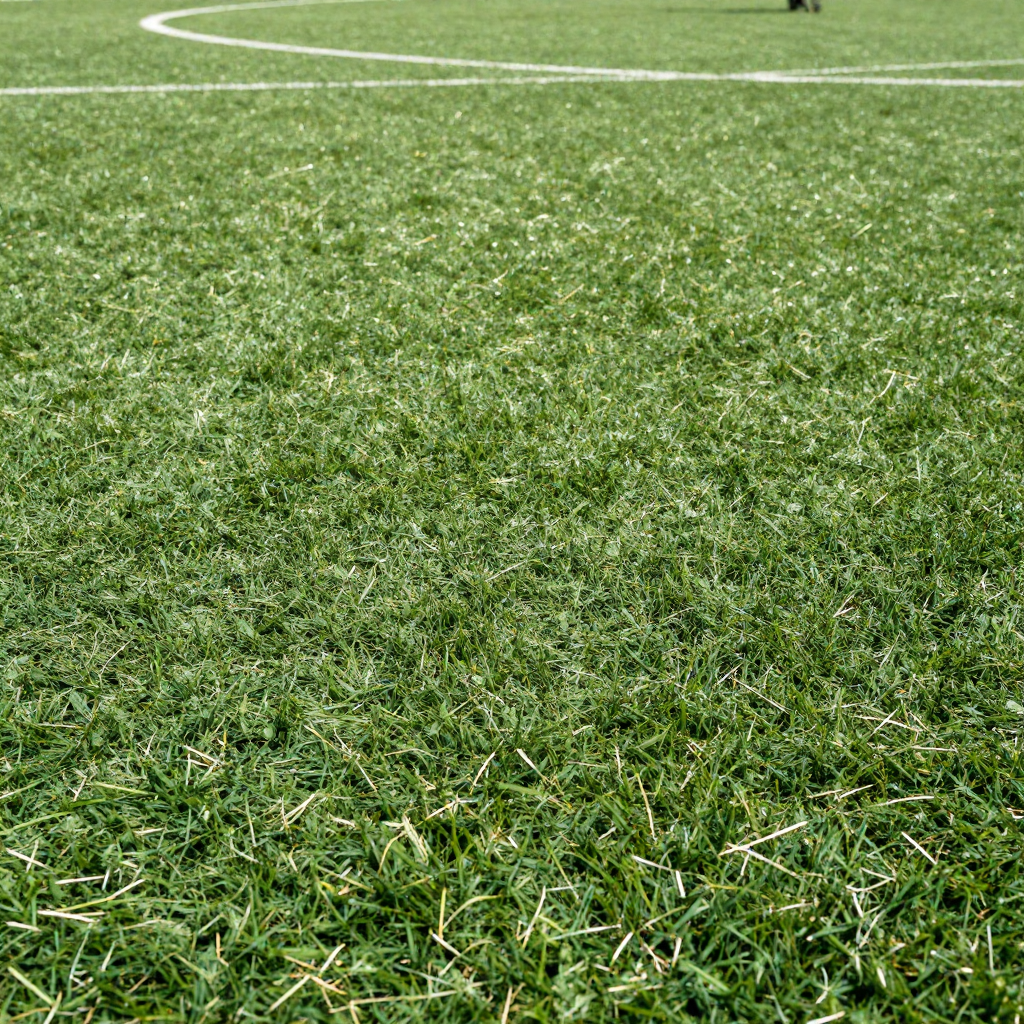
Artificial Turf Heat Retention In Johannesburg Summers
Johannesburg summers bring warm temperatures and abundant sunshine. Many sports facility managers and homeowners wonder whether artificial sports turf becomes too hot for safe play during these months. This question matters significantly for anyone considering artificial turf installation for sports fields, playgrounds, or residential use.
Understanding Heat Retention in Artificial Sports Turf
Artificial sports turf differs fundamentally from natural grass in how it manages heat. Natural grass stays cool through transpiration, releasing moisture into the air and creating an evaporative cooling effect. This biological process keeps grass surfaces comfortable even during hot days.
However, synthetic materials lack this natural cooling mechanism. Artificial turf consists of polyethylene, polypropylene, or nylon fibers that absorb solar radiation. These materials trap heat rather than releasing it, causing surface temperatures to rise significantly during peak sunshine hours.
Research shows that standard artificial turf can reach temperatures between 40°C to 75°C (140°F to 170°F) under direct sunlight in hot conditions. These temperatures far exceed those of natural grass, which rarely climbs above 38°C (100°F).
Johannesburg’s Summer Climate Context
Johannesburg experiences a subtropical highland climate with pleasant summer conditions. Summer months from November through March bring average daytime temperatures ranging from 25°C to 27°C (77°F to 81°F). The city’s high altitude of 1,700 meters moderates the heat considerably.
Peak temperatures occasionally reach 30°C to 36°C (86°F to 97°F) on particularly hot days. Johannesburg receives strong tropical sunlight due to its proximity to the Tropic of Capricorn. The UV index reaches 12 during summer months, indicating extreme sun exposure.
Afternoon thunderstorms provide natural cooling during summer. These rain events temporarily reduce surface temperatures on artificial turf. Still, the period between late morning and mid-afternoon presents the greatest heat challenge for sports surfaces.
The Heat Challenge for Sports Activities
Excessive heat on artificial sports turf creates several concerns for athletes and recreational users. Surface temperatures above 48°C (115°F) increase risks of dehydration, heat exhaustion, and even heat stroke. Young athletes and children face particular vulnerability to heat-related illnesses.
Direct skin contact with extremely hot artificial turf can cause minor burns. Players who slide, dive, or fall on overheated surfaces may experience discomfort or injury. The heat radiating from hot turf also warms the air immediately above the surface, creating an uncomfortable microclimate for players.
Sports performance declines as heat stress increases. Athletes tire more quickly, concentration diminishes, and the risk of mistakes rises. Many schools and sports organizations now implement heat protocols that restrict artificial turf use during peak temperature periods.
Modern Cooling Technologies for Artificial Turf
The artificial grass industry has developed several technologies to address heat retention issues. These innovations make artificial sports turf significantly cooler than older generations of synthetic surfaces.
Infrared-Reflective Fibers
Advanced turf products now incorporate infrared-reflective pigments into the synthetic fibers. These materials reflect solar radiation rather than absorbing it. The technology reduces surface temperatures by 10°C to 15°C compared to standard turf.
The reflective treatment also provides UV protection, preventing premature fading and degradation. LawnKing Gardens offers UV-stabilized artificial grass that maintains vibrant colors while managing heat more effectively.
Cooling Infill Materials
Infill material choice dramatically impacts surface temperature. Traditional crumb rubber infill absorbs and retains significant heat. Modern alternatives perform much better in hot conditions.
Silica sand infill provides excellent drainage while staying considerably cooler than rubber. Cork infill offers natural antimicrobial properties and superior heat management. Some specialized cooling infills require periodic watering to activate their cooling properties through evaporation.
Permeable Backing Systems
The backing material affects how artificial turf breathes and drains. Permeable backing allows air circulation beneath the surface. This airflow helps dissipate heat more effectively than sealed backing systems.
Water drainage becomes equally important. Quality artificial grass products feature pre-punched drainage holes that allow water to flow through efficiently. This design prevents standing water while enabling cooling through periodic watering.
Comparing Artificial Turf to Natural Grass Temperatures
Natural grass maintains significantly lower surface temperatures than artificial turf during hot weather. Studies consistently show temperature differences of 30°C to 40°C between the two surfaces under identical conditions.
Natural grass benefits from root systems that access soil moisture. The continuous transpiration process creates a cooling effect similar to human perspiration. Additionally, soil beneath natural grass absorbs and stores heat, keeping the surface cooler.
Artificial turf lacks these biological cooling mechanisms. The synthetic materials and backing systems trap heat close to the surface. Without moisture content or transpiration, temperatures rise rapidly under direct sunlight.
However, natural grass requires extensive maintenance, including regular watering, mowing, fertilizing, and pest control. Johannesburg’s summer rainfall provides some natural irrigation, but maintaining pristine sports fields demands significant resources and ongoing costs.
Practical Heat Management Strategies
Sports facility managers and homeowners can implement several strategies to manage heat on artificial sports turf effectively.
Strategic Shade Installation
Shade structures provide the most effective long-term cooling solution. Trees, shade sails, or permanent structures block direct sunlight and lower surface temperatures dramatically. Strategic shade placement can make artificial turf comfortable even during peak heat hours.
LawnKing Gardens specializes in professional installation services that consider shade patterns and environmental factors. Proper planning during installation maximizes natural shade benefits.
Regular Water Application
A quick rinse with a garden hose or sprinkler system rapidly reduces artificial turf surface temperature. Water application provides immediate cooling through evaporation. Sports fields often use irrigation systems to prepare turf before matches or training sessions.
The cooling effect lasts 20 to 30 minutes, depending on weather conditions. Regular watering during hot days keeps surfaces comfortable for extended use periods.
Activity Scheduling
Smart scheduling avoids peak heat hours. Morning sessions before 10 AM and evening activities after 5 PM take advantage of cooler temperatures. Many sports organizations now follow heat protocols that restrict outdoor activities during the hottest parts of the day.
This approach protects players while maximizing artificial turf usage during comfortable hours. Schools and recreational facilities benefit from clear policies regarding temperature monitoring and activity restrictions.
Choosing Quality Products
Product selection makes a substantial difference in heat management. Premium artificial grass options with heat-resistant technologies perform far better than budget alternatives. Quality materials include UV stabilization, cooling infills, and advanced fiber treatments.
LawnKing Gardens provides various pile heights from 25mm to 35mm, allowing customers to select products suited to specific applications. Consulting with experienced professionals ensures optimal product selection for local conditions.
Special Considerations for Different Applications
Different artificial turf applications require specific approaches to heat management.
Sports Fields and Training Facilities
Professional sports facilities need comprehensive heat management systems. These installations often include irrigation for cooling, shade structures in spectator areas, and proper scheduling protocols. Specialized sports turf products provide optimal performance while managing heat concerns.
Coaches and facility managers should monitor surface temperatures regularly. Simple infrared thermometers provide quick, accurate readings. Many organizations post temperature warnings when surfaces become too hot for safe play.
Residential Lawns and Play Areas
Homeowners face similar heat challenges with backyard installations. Children and pets spending time on artificial grass need protection from excessive heat. Installing artificial grass in partially shaded areas provides natural cooling.
Creating shaded play zones with pergolas, umbrellas, or trees makes outdoor spaces comfortable throughout summer. LawnKing Gardens offers solutions for residential applications that balance aesthetics with practical heat management.
Tennis Courts and Multi-Sport Surfaces
Tennis courts using artificial grass require special attention to heat issues. Players make extended direct contact with surfaces during play. Quality artificial turf products with cooling technologies become essential for comfortable year-round use.
Proper installation includes adequate drainage systems and appropriate infill materials. Regular maintenance keeps surfaces performing optimally while managing temperature concerns.
The Environmental Perspective
Artificial sports turf creates both environmental benefits and challenges regarding heat. Understanding this balance helps make informed decisions.
Water Conservation Benefits
Johannesburg faces periodic water restrictions and ongoing concerns about water security. Artificial turf eliminates the need for regular irrigation that natural grass demands. This conservation benefit becomes particularly valuable during drought conditions.
Quality artificial grass maintains its appearance without the thousands of liters of water required for natural turf maintenance. Businesses throughout Johannesburg recognize these savings.
Urban Heat Island Considerations
Large expanses of artificial turf can contribute to urban heat island effects. Dark surfaces absorb solar radiation and re-emit it as heat. This localized warming affects surrounding areas and increases cooling demands for nearby buildings.
Balancing artificial turf installations with natural vegetation, shade trees, and green spaces mitigates these effects. Thoughtful landscape design creates comfortable outdoor environments while maintaining the practical benefits of synthetic surfaces.
Long-Term Sustainability
Modern artificial grass products last 10 to 20 years with proper maintenance. This longevity reduces replacement frequency and associated environmental impacts. Many manufacturers now use recyclable materials and sustainable production methods.
The absence of chemical fertilizers, pesticides, and fossil-fuel-powered maintenance equipment provides additional environmental benefits. Weighing these factors against heat concerns creates a more complete sustainability picture.
Making the Right Choice for Your Needs
Deciding whether artificial sports turf works for your Johannesburg summer conditions requires careful consideration of multiple factors.
Quality matters tremendously. Budget products without heat-resistant technologies will create significant discomfort during hot weather. Premium artificial grass with modern cooling features performs dramatically better.
Application context determines priorities. Professional sports facilities need comprehensive heat management systems. Residential installations may rely more on shade strategies and smart scheduling.
Local expertise provides valuable guidance. LawnKing Gardens brings extensive experience with Johannesburg’s climate and conditions. Professional consultation ensures optimal product selection and installation techniques.
Conclusion: Artificial Sports Turf Can Work in Johannesburg Summers
Artificial sports turf does get hot during Johannesburg summers. However, modern cooling technologies and proper heat management strategies make synthetic surfaces practical and safe for most applications.
The key lies in selecting quality products with heat-resistant features. UV-stabilized fibers, cooling infills, and permeable backing systems significantly reduce surface temperatures compared to older artificial turf products.
Implementing practical heat management strategies maximizes comfort and safety. Strategic shade installation, regular water application, and smart activity scheduling allow artificial turf to serve effectively throughout summer months.
For many applications, the benefits of artificial sports turf outweigh heat concerns. Water conservation, low maintenance requirements, year-round usability, and durability provide compelling advantages. With proper planning and quality products, artificial turf delivers excellent performance even during Johannesburg’s warmest days.
Contact LawnKing Gardens to discuss your artificial sports turf needs. Their team provides expert guidance on product selection, heat management solutions, and professional installation services tailored to Johannesburg’s unique climate conditions.
Ready to explore artificial grass options for your property? LawnKing Gardens serves Randburg, Midrand, and surrounding areas with premium artificial turf products designed for South African conditions. Call 068 474 7303 or visit their website to schedule a consultation and discover how modern artificial grass technology can transform your outdoor spaces.
Recent Posts:
- What’s the Difference Between Hockey Turf, Tennis Court Surfaces, and Padel Court Artificial Grass?
- How Much Does It Cost to Install Artificial Turf for a Full-Size Hockey or Tennis Court?
- How to Choose a Reliable Cladding Supplier and Installer in Johannesburg?
- Is Fiber Cement Cladding Worth the Investment for Johannesburg Properties?
- What Are Common Cladding Installation Mistakes to Avoid in South African Homes?