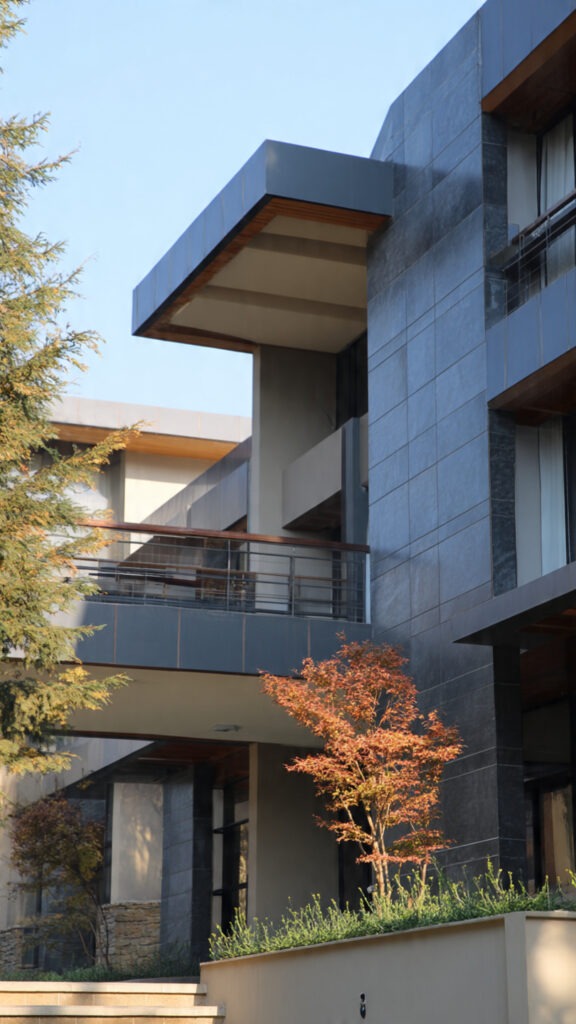
Is Fiber Cement Cladding Worth It for Johannesburg Properties?
When you’re considering exterior upgrades for your Johannesburg property, fiber cement cladding deserves serious attention. As specialists in outdoor property enhancement at LawnKing Gardens, we understand the importance of durable, cost-effective materials. Just as we help homeowners choose between artificial grass and instant lawn, today we’re exploring whether fiber cement cladding makes financial sense for your property.
Understanding Fiber Cement Cladding in South African Context
Fiber cement cladding consists of a composite material. Manufacturers blend cement, cellulose fibers, and sand to create robust panels. This combination delivers strength similar to traditional cement while maintaining workability. South African suppliers like Everite produce quality fiber cement products specifically designed for our climate conditions.
The material has gained popularity across Gauteng. Property owners in Randburg, Midrand, and Sandton increasingly choose fiber cement for renovations. This trend mirrors the growing preference for low-maintenance solutions—much like homeowners who opt for our 35mm artificial grass instead of high-maintenance natural lawns.
Breaking Down the Costs: What You’ll Actually Pay
Understanding the investment starts with realistic pricing. In Johannesburg and surrounding areas, fiber cement cladding costs between R500 and R800 per square meter for materials and installation. These rates sit comfortably in the mid-range category.
For a typical three-bedroom house requiring approximately 100 square meters of cladding, you can expect total costs ranging from R50,000 to R80,000. Sandton properties might see prices 10-15% higher due to premium finishes and higher labor costs in the area. Meanwhile, areas like Roodepoort and Centurion often offer more competitive rates.
Several factors influence your final cost. Material thickness plays a role—thicker panels cost more but offer enhanced durability. Architectural complexity matters too. Properties with curved walls or intricate designs can see costs increase by 20-30%. Professional installation typically adds R200 to R400 per square meter to material costs.
Think about it this way: just as choosing 25mm artificial grass versus premium 35mm affects your landscaping budget, your fiber cement selections impact overall expenses.
Durability That Actually Lasts Decades
Fiber cement cladding offers impressive longevity. With proper installation and minimal maintenance, these panels can serve your property for 50 years or more. This lifespan significantly outperforms traditional wood cladding and even surpasses vinyl alternatives.
The material resists common property threats effectively. Johannesburg’s intense UV exposure won’t cause fading or warping. Summer storms don’t penetrate properly installed fiber cement panels. The material naturally repels termites and other pests—a crucial benefit in South African conditions.
Weather resistance proves particularly valuable in Gauteng. The region experiences temperature extremes, from scorching summer heat to occasional frost. Fiber cement handles these variations without deteriorating. It maintains structural integrity through seasonal changes that would damage lesser materials.
Moisture management sets fiber cement apart from alternatives. Unlike wood that rots or metal that rusts, fiber cement shrugs off humidity. This characteristic makes it ideal for Johannesburg’s unpredictable weather patterns. Similarly, homeowners choose our artificial grass maintenance services because synthetic turf handles moisture better than natural alternatives.
Fire Resistance: A Critical Safety Advantage
Fire safety remains paramount for Johannesburg properties. Fiber cement cladding delivers exceptional fire resistance—often achieving Class A fire ratings. The material doesn’t ignite easily and won’t contribute to flame spread during fires.
This non-combustible nature provides peace of mind. In densely populated areas across Randburg and Midrand, fire-resistant building materials protect both your property and neighboring homes. The cement composition naturally resists combustion without requiring chemical treatments.
South African building codes increasingly emphasize fire safety. Fiber cement cladding helps properties meet these stringent requirements. Many insurance companies recognize this benefit, potentially offering lower premiums for homes with fire-resistant exterior materials.
The comparison to flammable alternatives is stark. Wood cladding can fuel fires. Some composite materials release toxic fumes when burning. Fiber cement simply doesn’t burn, providing a critical barrier between flames and your home’s interior structure.
Maintenance Requirements: Less Work, More Savings
Low maintenance ranks among fiber cement’s strongest selling points. Unlike wood that demands regular painting and sealing, fiber cement requires minimal attention. An occasional wash with water keeps panels looking fresh. This simplicity mirrors why clients choose our artificial turf solutions—less maintenance means more time enjoying your property.
Annual maintenance involves simple visual inspections. Check for cracks or damage twice yearly. Clean panels with a garden hose when dust accumulates. That’s essentially the entire maintenance program. No scraping, no repainting, no specialized treatments needed.
The long-term cost savings add up significantly. Traditional wood cladding requires repainting every 3-5 years at costs of R15,000 to R30,000 per session. Over 20 years, you could spend R100,000 or more on maintenance alone. Fiber cement eliminates these recurring expenses.
This durability parallels our Kikuyu grass and LM grass instant lawn products. Both require less maintenance than traditional lawn alternatives while delivering superior performance in Johannesburg’s climate.
Energy Efficiency and Thermal Performance
Fiber cement cladding contributes to improved energy efficiency. The material provides natural thermal insulation, helping regulate interior temperatures. During Johannesburg’s hot summers, properly installed fiber cement reduces heat transfer into your home.
This insulation effect works both ways. Winter months see fiber cement helping retain interior warmth. The result? Lower heating and cooling costs throughout the year. While exact savings vary by property size and existing insulation, many homeowners report 10-15% reductions in energy bills.
When combined with proper insulation systems, fiber cement creates an effective thermal barrier. This performance supports green building initiatives. Properties achieve better energy ratings, which can increase resale value in Johannesburg’s competitive real estate market.
Consider the compound benefits: reduced energy consumption means lower utility bills over decades. These savings offset the initial installation investment. Much like how our irrigation systems reduce water waste while maintaining beautiful gardens.
Aesthetic Versatility for Johannesburg Properties
Modern fiber cement cladding offers remarkable design flexibility. Manufacturers produce panels mimicking wood grain, smooth finishes, and textured surfaces. You can achieve virtually any architectural style without sacrificing durability.
Color options continue expanding. From classic neutrals to bold contemporary hues, fiber cement accommodates diverse tastes. The material accepts paint well, allowing for future color changes without complete replacement. This versatility matches how our artificial grass roofs, decks, and patios solutions adapt to various design preferences.
Installation styles vary too. Choose horizontal lap siding for traditional aesthetics. Select vertical panels for modern looks. Mix textures to create visual interest. Fiber cement adapts to your vision while delivering consistent performance.
Johannesburg’s architectural diversity benefits from this flexibility. Whether you’re updating a Sandton contemporary home or renovating a classic Randburg property, fiber cement provides appropriate aesthetic solutions.
Comparing Fiber Cement to Alternative Cladding Options
Understanding alternatives helps clarify fiber cement’s value position. Wood cladding costs R700-R1,800 per square meter—often more than fiber cement—while requiring extensive maintenance. Its natural beauty appeals to many, but Johannesburg’s climate proves challenging for wood’s longevity.
Composite materials range from R800-R2,000 per square meter. These products offer good performance but typically cost more than fiber cement initially. Metal cladding provides durability but can dent easily and may not suit all architectural styles.
According to architectural material specialists, fiber cement strikes an optimal balance. It delivers wood-like aesthetics without wood’s maintenance burden. It provides metal’s durability without susceptibility to denting or rust.
Vinyl represents the budget option at R500-R700 per square meter. However, it fades faster under Johannesburg’s intense sun. It also melts in extreme heat and offers minimal fire resistance. The modest savings don’t justify compromising safety and longevity.
Environmental Considerations and Sustainability
Sustainability matters increasingly to Johannesburg property owners. Fiber cement scores well on environmental metrics. The material contains natural, renewable cellulose fibers rather than petroleum-based components. Manufacturing processes have improved, reducing environmental impact.
Fiber cement’s 50+ year lifespan means fewer replacement cycles. This longevity reduces waste and conserves resources over time. At end-of-life, fiber cement can often be recycled or safely disposed of without environmental harm.
The material’s energy efficiency contributes to reduced carbon footprints. Lower heating and cooling needs mean decreased electricity consumption. This benefit extends throughout the material’s service life, compounding environmental advantages.
Similar to how our landscaping services emphasize sustainable practices, choosing fiber cement aligns with environmentally conscious building approaches. The combination of durability, recyclability, and energy efficiency creates genuine sustainability credentials.
Installation Considerations for Gauteng Properties
Professional installation proves crucial for fiber cement cladding. The material requires specific techniques to ensure proper water drainage and structural attachment. Experienced installers understand how to handle fiber cement’s weight—it’s heavier than vinyl but lighter than natural stone.
Installation timeline depends on property size. A typical three-bedroom home requires 5-10 days for complete cladding installation. This duration includes surface preparation, panel mounting, and finishing work. Complex architectural features extend timelines.
Choose contractors with proven fiber cement experience. Check references from recent Johannesburg-area projects. Verify proper licensing and insurance. Quality installation directly impacts performance—much like how proper paving installation determines longevity and appearance.
Weather affects installation scheduling. Avoid extremely hot days when adhesives may cure improperly. Similarly, rain delays outdoor work. Plan installations during Johannesburg’s mild autumn or spring months when conditions typically cooperate.
Making the Investment Decision
Evaluating fiber cement cladding requires balancing multiple factors. Start by assessing your property’s current condition. Properties with aging wood cladding or deteriorating exterior materials benefit most from fiber cement upgrades. The investment makes less sense if existing cladding remains in good condition.
Consider your ownership timeline. Planning to sell within 2-3 years? The investment may not fully recoup costs. Staying 10+ years? You’ll enjoy benefits while building equity. Fiber cement cladding can increase property values by 5-10% in Johannesburg’s market.
Budget realistically for total project costs. Include professional installation—this isn’t a DIY project for most homeowners. Factor in any necessary repairs to underlying structures. Some properties need updated insulation or moisture barriers before cladding installation.
Compare lifetime costs against alternatives. Initial fiber cement expenses seem higher than vinyl. However, when accounting for maintenance costs over 20-30 years, fiber cement often proves more economical. The calculation resembles comparing instant lawn prices to ongoing maintenance costs of seeded alternatives.
Insurance and Property Value Implications
Fire-resistant cladding influences insurance considerations. Many insurers offer premium reductions for properties with non-combustible exterior materials. These savings compound annually, offsetting installation costs over time. Contact your insurance provider to discuss potential benefits before installation.
Property valuations reflect quality materials. Real estate appraisers recognize fiber cement’s durability and low maintenance requirements. Properties with fiber cement cladding often achieve higher valuations compared to similar homes with standard materials. This premium particularly applies in Sandton and other upscale Johannesburg neighborhoods.
Resale appeal matters too. Buyers appreciate move-in-ready properties requiring minimal immediate maintenance. Fiber cement cladding serves as a strong selling point. It signals quality construction and thoughtful property management—similar to how professionally installed artificial grass enhances curb appeal.
Financing options sometimes favor fire-resistant materials. Some lenders offer better terms for properties with enhanced safety features. While not universal, these benefits warrant exploration during property financing or refinancing.
Regional Climate Advantages in Johannesburg
Johannesburg’s highveld climate particularly suits fiber cement cladding. The area’s moderate rainfall (around 700mm annually) doesn’t overwhelm the material’s moisture resistance. Meanwhile, fiber cement handles the dry winter months without cracking or warping.
Altitude affects UV exposure—Johannesburg sits over 1,700 meters above sea level. This elevation intensifies solar radiation. Fiber cement’s UV resistance prevents the fading and degradation that plague lesser materials at this altitude. The material maintains color and structural integrity year after year.
Temperature swings between seasons test building materials. Johannesburg experiences frosty winter mornings and hot summer afternoons. Fiber cement’s dimensional stability handles these variations. Unlike materials that expand and contract dramatically, fiber cement maintains consistent performance.
Hail occasionally impacts Gauteng properties. Fiber cement resists impact damage better than vinyl or thin metal alternatives. While severe hail may cause some surface damage, the material typically maintains structural integrity. This resilience provides peace of mind during intense summer storms.
Long-Term ROI: The Real Numbers
Calculate return on investment by considering multiple factors. Start with installation costs: R50,000-R80,000 for a typical home. Add potential insurance savings: R2,000-R5,000 annually. Include energy savings: R3,000-R8,000 yearly.
Over 20 years, these ongoing savings accumulate significantly. Insurance reductions alone could total R40,000-R100,000. Energy savings might reach R60,000-R160,000. Combined, these benefits approach or exceed initial installation costs.
Maintenance cost avoidance provides additional value. Wood cladding requiring repainting every five years costs R100,000+ over 20 years. Fiber cement eliminates these expenses entirely. The savings become real money staying in your pocket.
Property value appreciation adds another dimension. A 5-7% increase on a R2 million Randburg property equals R100,000-R140,000 in added equity. This appreciation directly results from quality material choices and improved property presentation.
Consider this comprehensive ROI: initial investment of R65,000, combined savings and appreciation of R200,000-R400,000 over 20 years. The mathematics strongly favor fiber cement cladding for Johannesburg properties with long-term ownership plans.
Final Verdict: Is Fiber Cement Cladding Worth It?
Fiber cement cladding represents a sound investment for most Johannesburg properties. The material delivers exceptional durability, fire resistance, and low maintenance requirements. Initial costs are reasonable compared to alternatives, while long-term savings prove substantial.
Properties in fire-prone areas benefit most from fiber cement’s safety advantages. Homeowners planning extended ownership periods maximize value through accumulated savings. Those prioritizing low-maintenance solutions appreciate the minimal upkeep demands.
However, fiber cement may not suit every situation. Short-term property owners might not recoup installation costs. Budgets under R40,000 might find adequate alternatives. Properties already clad in excellent-condition materials don’t require immediate upgrades.
At LawnKing Gardens, we understand quality outdoor solutions. Whether installing sports turf or helping clients choose between pet turf options, we emphasize long-term value. Fiber cement cladding aligns with this philosophy—investing wisely in durable materials that deliver decades of reliable performance.
Ready to transform your property’s exterior? The combination of fiber cement cladding with professionally installed artificial grass creates stunning, low-maintenance properties throughout Johannesburg. Contact our team to discuss how we can enhance your outdoor spaces with quality solutions built to last.
According to construction experts globally, fiber cement continues gaining market share because it works. The material simply delivers on its promises: durability, safety, aesthetic flexibility, and value. For Johannesburg property owners seeking smart investments, fiber cement cladding checks every important box.
Recent Posts:
- What Are Common Cladding Installation Mistakes to Avoid in South African Homes?
- Can Cladding Increase Your Property Value in Johannesburg’s Northern Suburbs?
- How Do You Maintain Different Types of Cladding in Johannesburg’s Dusty Environment?
- Which Cladding Styles Complement Johannesburg’s Architectural Trends?