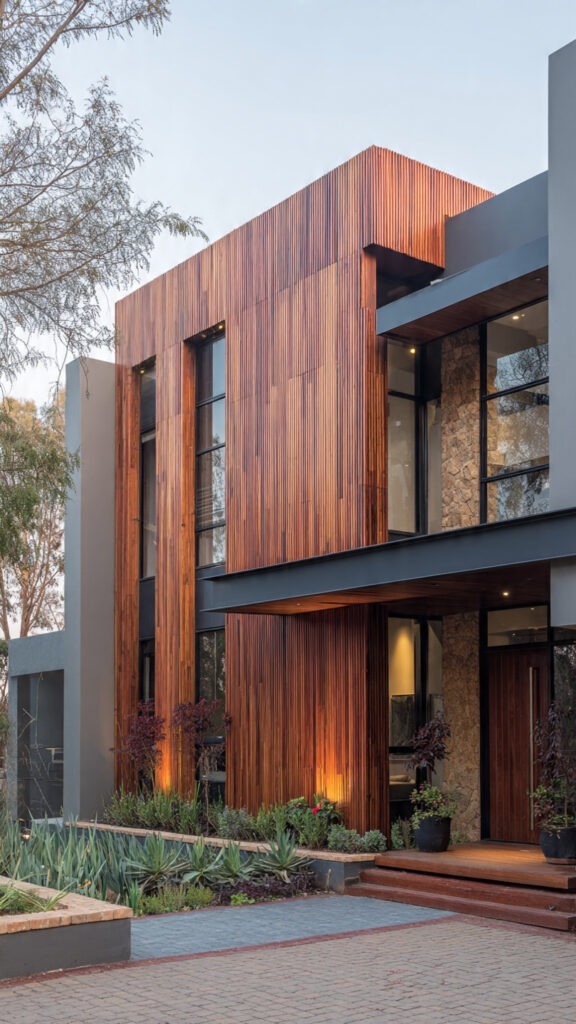
Best Cladding Materials for Johannesburg’s Highveld Climate
Choosing exterior cladding for your Randburg or Midrand property demands careful consideration. The Highveld’s unique climate presents specific challenges that many homeowners overlook. Temperature swings, intense UV radiation, and sudden hailstorms test every building material differently.
Johannesburg sits 1,753 meters above sea level on the Highveld plateau. This elevation creates a subtropical highland climate with distinct characteristics. Summer temperatures reach 25-26°C, while winter nights drop to 4-5°C. These fluctuations stress building materials constantly.
Understanding Johannesburg’s Climate Challenges
The Highveld climate delivers three major stressors to exterior cladding systems. Each factor requires specific material properties to ensure long-term performance.
Temperature Variations and Thermal Stress
Daily temperature swings test cladding materials year-round. Summer days heat surfaces intensely, then cool rapidly after afternoon thunderstorms. Winter brings warm afternoons followed by freezing nights. This constant expansion and contraction causes inferior materials to crack, warp, or separate from mounting systems.
Buildings need cladding that handles these changes without deteriorating. Materials with poor thermal stability develop gaps where water penetrates. Subsequently, moisture damage leads to costly repairs.
UV Exposure at High Altitude
Johannesburg receives over 3,000 hours of sunshine annually. The UV index climbs to 12 during summer months. High-altitude locations experience more intense ultraviolet radiation than coastal areas.
UV radiation breaks down polymers in plastics and degrades certain composite materials. Colors fade quickly on inferior products. Eventually, structural integrity weakens as molecular bonds break down.
Hail Impact Resistance
Summer thunderstorms frequently bring hail to the Highveld. These sudden events damage vulnerable cladding materials. Small hailstones crack brittle surfaces, while larger stones cause severe impact damage.
Properties need cladding that withstands impacts without shattering or denting. Repairs prove expensive when hail damages large sections of exterior walls.
Top Cladding Materials for Highveld Conditions
Several cladding options perform excellently in Johannesburg’s challenging climate. Each material offers specific advantages for local conditions.
Composite Cladding: Modern Durability
Composite cladding combines natural fibers with engineered polymers. These systems resist moisture, UV radiation, and temperature changes effectively. Many products include UV-resistant coatings that prevent fading and degradation.
Quality composite materials withstand hail impacts better than traditional wood. The engineered composition absorbs impacts without cracking. Additionally, these systems require minimal maintenance compared to natural materials.
Modern composite options offer realistic wood-grain textures and diverse color selections. Homeowners achieve attractive aesthetics without sacrificing performance. The material’s thermal stability prevents warping during temperature swings.
Installation proves straightforward with concealed fastening systems. Proper ventilation behind panels prevents moisture accumulation. Professional installation ensures long-term performance and warranty coverage.
Fiber Cement: Weather-Resistant Excellence
Fiber cement cladding delivers exceptional durability in harsh climates. This material combines cement, cellulose fibers, and additives into a non-combustible product. It resists moisture penetration, prevents rot, and withstands pest damage.
The dense composition provides excellent impact resistance against hail. Fiber cement maintains structural integrity through freeze-thaw cycles. UV radiation causes minimal degradation compared to vinyl or untreated wood.
These panels come in various textures and finishes. Manufacturers offer products that replicate wood grain, stucco, or smooth modern aesthetics. The material accepts paint well, allowing color customization.
However, fiber cement requires professional installation due to its weight. Proper mounting systems ensure secure attachment and adequate drainage. The investment pays off through decades of low-maintenance performance.
Aluminum and Metal Cladding: Lightweight Strength
Metal cladding systems offer outstanding durability for Highveld conditions. Aluminum resists corrosion naturally, requiring no additional protective coatings. The material reflects heat effectively, reducing thermal stress on buildings.
Modern metal panels feature UV-resistant finishes that maintain color for years. These coatings prevent fading despite intense sunshine. The material’s flexibility allows thermal expansion without developing stress cracks.
Hail resistance depends on panel thickness and mounting systems. Quality installations withstand moderate hail impacts without denting. Standing seam systems provide sleek aesthetics while ensuring weather-tight performance.
Metal cladding’s fire resistance adds safety value. The material won’t ignite or contribute to fire spread. Additionally, metal systems prove environmentally sustainable through recyclability.
Porcelain and Ceramic Panels: Premium Performance
Porcelain cladding represents a premium choice for demanding climates. These panels resist UV degradation completely, maintaining appearance indefinitely. The non-porous surface prevents moisture absorption and bacterial growth.
Temperature fluctuations don’t affect porcelain’s dimensional stability. The material expands and contracts minimally compared to other options. This stability prevents cracking and maintains system integrity.
Porcelain offers exceptional hail resistance due to its hardness and impact absorption. Proper mounting systems allow individual panels to flex slightly during impacts. This flexibility dissipates energy without cracking.
The material’s ventilated facade applications provide excellent thermal performance. Air circulation behind panels reduces heat transfer and manages moisture effectively. Installation requires specialized expertise but delivers unmatched longevity.
Materials to Approach with Caution
Certain cladding options prove problematic in Highveld conditions. Understanding these limitations helps homeowners avoid costly mistakes.
Vinyl Cladding Limitations
Vinyl performs poorly under Johannesburg’s UV exposure. Intense sunlight degrades plastic-based materials rapidly. Colors fade noticeably within five years, and surfaces become brittle.
Temperature extremes cause vinyl to expand and contract significantly. This movement creates gaps in seams and pulls fasteners loose. Winter cold makes vinyl especially brittle and prone to cracking.
Hail easily damages vinyl cladding. Impact cracks require replacing entire sections. The material offers minimal insulation value and contributes nothing to fire resistance.
Untreated Wood Challenges
Natural wood cladding demands extensive maintenance in Highveld weather. UV exposure fades and grays untreated surfaces quickly. Moisture from summer thunderstorms causes warping and rot without proper treatment.
Temperature changes make wood expand and contract significantly. This movement loosens fasteners and creates gaps. Insects and fungal growth threaten untreated wood in humid summer conditions.
Regular sealing, painting, or staining proves necessary every two to three years. This maintenance requirement increases long-term ownership costs substantially. Additionally, fire risk makes wood problematic for certain locations.
Integration with Outdoor Living Spaces
Your cladding choice should complement your overall property design. Many Randburg and Midrand homeowners enhance outdoor areas with low-maintenance solutions.
Quality artificial grass in Randburg reduces yard maintenance while maintaining green aesthetics year-round. This approach mirrors cladding benefits by minimizing upkeep requirements. Properties achieve cohesive modern appearances through coordinated material selections.
Cladding materials pair well with instant lawn installations that transform outdoor spaces quickly. Both systems deliver immediate visual impact without ongoing maintenance demands. Homeowners enjoy more time relaxing rather than maintaining their properties.
Professional garden services ensure your landscaping complements architectural improvements. Integrated design creates harmonious outdoor environments. Coordinating cladding, landscaping, and ground covers produces impressive results.
Climate-Specific Installation Considerations
Proper installation determines cladding performance in Highveld conditions. Several factors require attention during project planning.
Ventilation and Drainage
Johannesburg’s summer thunderstorms deliver intense rainfall quickly. Cladding systems need proper drainage to prevent water accumulation. Ventilated designs allow airflow behind panels, promoting moisture evaporation.
Proper flashing and sealing at joints prevents water infiltration. Professional installers understand local weather patterns and design accordingly. These details prevent moisture damage that compromises structural integrity.
Thermal Movement Allowances
Temperature swings require expansion joints in cladding systems. Materials expand in summer heat and contract during winter cold. Rigid installations without movement allowances develop stress cracks.
Quality installations include proper spacing and flexible sealants. These features accommodate thermal movement without compromising weather resistance. Professional teams understand local climate demands and install systems correctly.
Wind Load Considerations
The Highveld experiences strong winds, especially during spring and summer storms. Cladding attachments must resist wind uplift forces. Proper fastening schedules ensure panels remain secure during severe weather.
Certain areas experience higher wind loads due to building height or exposure. Engineers calculate specific requirements for challenging locations. Following these specifications prevents wind damage and maintains system integrity.
Maintenance Requirements by Material Type
Different cladding materials demand varying maintenance levels. Understanding these requirements helps with long-term planning.
Low-Maintenance Options
Composite, fiber cement, and metal cladding require minimal upkeep. Occasional washing removes dirt and maintains appearance. These materials don’t need painting, sealing, or treatment.
Annual inspections check fasteners and sealants. Minor adjustments prevent small issues from becoming major problems. These systems deliver decades of performance with minimal intervention.
Higher-Maintenance Alternatives
Wood cladding demands regular treatment to maintain appearance and performance. Staining or painting every few years proves necessary. Inspections should check for rot, insect damage, and loose boards.
Vinyl requires periodic cleaning but eventually needs replacement due to UV damage. Color fading and brittleness signal end-of-life conditions. Planning for replacement costs proves wise with vinyl installations.
Cost Considerations and Long-Term Value
Initial cladding costs vary significantly between materials. However, long-term value includes maintenance expenses and replacement timing.
Initial Investment vs. Lifecycle Costs
Premium materials like porcelain and fiber cement cost more initially. These products deliver superior performance and longevity. Maintenance savings and extended lifespan often justify higher upfront costs.
Budget-friendly options like vinyl appear attractive initially. However, shorter lifespans and higher maintenance create greater total costs. Additionally, inferior performance during hail events increases repair expenses.
Professional installation costs prove worthwhile regardless of material choice. Proper mounting, sealing, and finishing ensure optimal performance. DIY installations often fail due to technical requirements and local climate demands.
Property Value Enhancement
Quality cladding increases property values measurably. Attractive, well-maintained exteriors create positive first impressions. Low-maintenance materials appeal to buyers seeking turnkey properties.
Energy efficiency improvements from proper cladding reduce utility costs. These savings accumulate over years of ownership. Modern, durable exteriors make properties more marketable when selling.
Professional Installation Matters
Successful cladding projects require experienced professionals familiar with Highveld conditions. Local expertise ensures systems perform as intended.
Local Climate Knowledge
Johannesburg installers understand regional weather patterns and material performance. They recognize which products suit specific exposures and conditions. This knowledge prevents costly mistakes and ensures long-term satisfaction.
Professional teams source quality materials from reputable manufacturers. They understand warranty requirements and installation specifications. Proper documentation protects homeowners’ investments.
Quality Assurance
Licensed contractors carry insurance protecting homeowners during installation. They follow building codes and manufacturer guidelines. Inspections verify proper installation before final payment.
Warranty coverage requires professional installation for most premium products. DIY installations void manufacturer guarantees. Professional teams stand behind their work with service guarantees.
Similar to how professional artificial grass installation delivers superior results compared to DIY approaches, cladding installation benefits from expert execution. Experienced teams complete projects efficiently while ensuring quality standards.
Sustainable and Eco-Friendly Options
Environmental considerations influence many cladding decisions. Several materials offer ecological advantages.
Recycled Content and Recyclability
Metal cladding comes from recycled materials and remains fully recyclable. This circular approach minimizes environmental impact. Aluminum production has improved energy efficiency significantly in recent decades.
Composite materials increasingly incorporate recycled plastics and wood fibers. These products divert waste from landfills while delivering excellent performance. End-of-life recyclability varies by specific product formulation.
Energy Efficiency Benefits
Proper cladding systems improve building insulation values. Reduced heat transfer lowers cooling costs during hot summers. Energy savings accumulate over decades of ownership.
Ventilated facade systems provide natural cooling through air circulation. This passive approach reduces mechanical cooling demands. Climate-appropriate cladding choices contribute to sustainable building practices.
Making Your Decision
Selecting cladding for Highveld conditions requires balancing multiple factors. Your priorities determine the best material choice.
Consider your maintenance willingness and budget constraints. Evaluate how long you plan to own the property. Research specific products and their performance in local conditions.
Consult multiple installers for quotes and recommendations. Request references from completed projects in Randburg or Midrand. Verify licenses, insurance, and manufacturer certifications.
Quality cladding transforms property aesthetics while providing decades of protection. The right choice withstands Johannesburg’s challenging climate year after year. Your investment should deliver satisfaction through minimal maintenance and maximum performance.
For comprehensive outdoor improvements, consider coordinating cladding projects with landscaping services that enhance your entire property. Professional teams create integrated designs that maximize visual appeal and minimize ongoing maintenance.
Final Recommendations for Highveld Properties
Johannesburg’s Highveld climate demands cladding materials engineered for durability. Temperature variations, intense UV exposure, and hail impacts test every exterior surface constantly.
Composite materials, fiber cement, and metal cladding deliver excellent long-term performance. These options resist local weather conditions while maintaining attractive appearances. Initial costs prove worthwhile through reduced maintenance and extended lifespans.
Professional installation ensures systems perform as designed. Local expertise prevents common mistakes that compromise weather resistance. Quality workmanship protects your investment for decades.
Choose materials that complement your architectural style and maintenance preferences. Consider long-term costs beyond initial installation expenses. Your cladding decision affects property value, maintenance requirements, and daily satisfaction.
The Highveld’s challenging climate actually clarifies material selection. Premium, weather-resistant options prove their worth through years of reliable service. Your property deserves cladding that withstands everything Johannesburg’s weather delivers.
Make informed decisions based on climate demands, material science, and professional expertise. Your home’s exterior protection shouldn’t be compromised by budget shortcuts. Quality cladding delivers peace of mind regardless of weather conditions.
For properties throughout Randburg and Midrand, expert consultation helps navigate material options and design possibilities. Professional guidance ensures your cladding investment delivers maximum value and performance for decades to come.
Recent Posts:
- Commercial Paving ROI: How Rosebank and Illovo Businesses Boost Property Value with Quality Surfacing
- Why Your Morningside or Parktown North Driveway Needs Resealing Before Summer
- Before & After: Stunning Commercial Parking Lot Transformations in Rosebank and Melrose Arch
- The Ultimate Guide to Luxury Driveway Paving for Fourways and Dainfern Homes