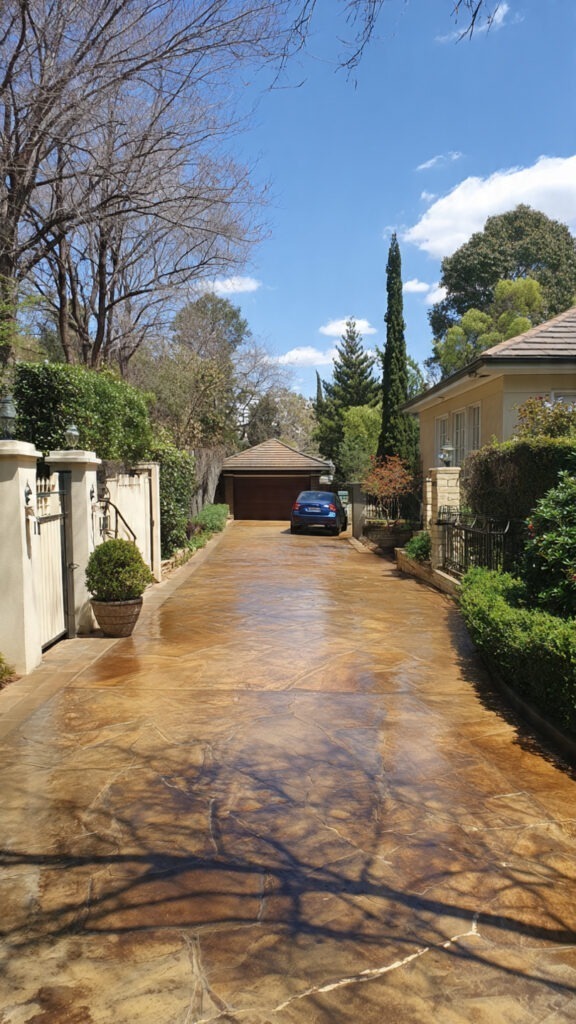
Why Your Driveway Needs Resealing Before Summer
As a homeowner in Morningside or Parktown North, you take pride in your property. Your home represents a significant investment. However, one critical aspect many homeowners overlook is proper driveway maintenance. The approach of summer presents the perfect opportunity to protect your driveway through professional resealing. This comprehensive guide explains why driveway resealing before summer is essential for preserving your property’s value and curb appeal.
Understanding Driveway Resealing and Its Importance
Driveway resealing involves applying a protective coating to your asphalt or concrete surface. This coating creates a barrier against weather damage, UV rays, and daily wear. The process shields your driveway from elements that cause deterioration over time.
Many homeowners in Johannesburg’s affluent northern suburbs invest heavily in artificial grass installation and premium landscaping. Yet they neglect their driveways. This oversight can prove costly. A sealed driveway protects against sun damage, rain, and temperature fluctuations. These factors work together to extend your driveway’s lifespan and save you thousands in future repairs.
The sealant forms a defensive layer over your pavement. It prevents water from penetrating the surface. Water infiltration leads to cracks, potholes, and structural damage. By creating this protective barrier, you maintain the integrity of your investment.
Why Summer Timing Matters for Driveway Resealing
Summer provides ideal conditions for driveway resealing projects. Temperature plays a crucial role in how well the sealant bonds and cures. Warm weather allows the sealant to dry properly and adhere effectively to your driveway surface.
According to industry experts at Angi, spring and summer represent the best seasons for sealing driveways. Cold weather negatively affects sealant performance. Winter applications may result in poor bonding. Autumn brings falling leaves that stick to wet sealer and create an unsightly mess.
The optimal temperature for applying sealant sits above 50 degrees Fahrenheit. Johannesburg’s summer months consistently provide these conditions. The warm weather accelerates the curing process. This means you can use your driveway sooner after application.
Moreover, completing the job before summer heat intensifies offers strategic advantages. You avoid the harsh UV exposure that causes unsealed driveways to fade and crack. Starting your summer with a freshly sealed driveway ensures maximum protection during the hottest months.
How Gauteng’s Climate Affects Your Driveway
Morningside and Parktown North experience unique climate conditions that impact driveway surfaces. The area faces warm, wet summers and cool, dry winters. These temperature fluctuations create stress on pavement materials.
Summer rainfall in Gauteng can be intense. Water penetrates unsealed driveways and weakens the foundation. When temperatures drop during cooler months, trapped moisture expands. This expansion causes cracks to form and existing damage to worsen.
UV radiation in South Africa ranks among the world’s highest. The intense sunlight degrades asphalt binders. This process, called oxidation, makes your driveway brittle. Cracks develop more easily in oxidized pavement. The surface loses its flexibility and structural integrity.
Just as homeowners in the area choose LM Berea grass for shade tolerance, you need solutions tailored to local conditions. Your driveway requires protection specifically designed for Gauteng’s climate challenges.
The Financial Benefits of Preventive Driveway Maintenance
Resealing your driveway represents smart financial planning. The cost of preventive maintenance pales in comparison to replacement expenses. Industry data shows that sealing costs average between 10 and 30 cents per square foot. Complete driveway replacement runs approximately R180 to R230 per square meter or more.
A typical 60-square-meter driveway costs between R600 and R1,800 to seal. Replacing that same driveway costs R10,800 to R13,800 or higher. The savings become obvious. Regular resealing every two to three years prevents the need for costly repairs.
Neglected driveways develop problems that cascade into expensive fixes. Small cracks allow water infiltration. Water weakens the foundation. The foundation fails, creating potholes. Potholes require extensive repairs or complete resurfacing. This progression can be prevented through timely resealing.
Property value also benefits from well-maintained driveways. Studies indicate that curb appeal can increase home values by up to 14 percent. A fresh, sealed driveway makes a positive first impression. Potential buyers notice the attention to detail and quality maintenance.
Protecting Your Investment: What Resealing Prevents
Your driveway faces numerous threats throughout the year. Resealing provides a defense against multiple damaging factors. Understanding these threats helps you appreciate the value of preventive maintenance.
UV rays constantly bombard your driveway surface. This exposure causes the asphalt binder to oxidize and become brittle. The once-flexible surface turns rigid and prone to cracking. Sealcoating blocks UV penetration and preserves the pavement’s flexibility.
Water damage ranks as the primary destroyer of driveways. Rain enters through small cracks and pores in unsealed pavement. The water erodes the foundation material beneath the surface. During temperature drops, trapped water freezes and expands. This freeze-thaw cycle accelerates crack formation and structural failure.
Chemical spills pose another significant risk. Oil, gasoline, and other automotive fluids break down asphalt compounds. These substances penetrate unsealed surfaces and weaken the pavement structure. A sealed driveway resists chemical penetration and maintains its integrity.
Daily traffic also takes its toll. Vehicle weight stresses the pavement structure. Turning wheels create shearing forces. Over time, these stresses cause surface degradation. Sealcoating adds a protective layer that distributes these forces more evenly and reduces wear.
The Aesthetic Advantages of a Sealed Driveway
First impressions matter when guests arrive at your Morningside or Parktown North home. Your driveway serves as a welcoming pathway to your property. A well-maintained, freshly sealed driveway enhances your home’s overall appearance.
Sealcoating restores the rich, dark color of asphalt. Unsealed driveways fade to dull gray over time. This fading makes your property look neglected. A sealed driveway displays a uniform, attractive black finish that complements your landscaping.
The smooth, glossy surface of sealed pavement creates visual appeal. Minor imperfections disappear beneath the coating. The uniform appearance ties together your home’s exterior elements. When combined with professional garden services and quality landscaping, a sealed driveway completes the picture of a well-cared-for property.
Clean surfaces are easier to maintain after sealing. The protective coating prevents oil stains from penetrating the pavement. Spills wipe away more easily. Regular sweeping keeps the surface looking pristine. This ease of maintenance helps preserve your driveway’s appearance year-round.
Choosing Between Professional and DIY Driveway Resealing
Homeowners face a decision when considering driveway resealing: hire professionals or tackle the project themselves. Each approach offers distinct advantages and challenges. Understanding these factors helps you make an informed choice.
Professional contractors bring expertise and specialized equipment. They assess your driveway’s condition accurately and recommend appropriate treatments. Commercial-grade materials often outperform consumer products. Professionals complete the work efficiently and typically offer warranties on their services.
According to The Family Handyman, professional services cost between 20 and 30 cents per square foot for asphalt. This investment includes labor, materials, and often a guarantee of quality. Professionals identify underlying issues that inexperienced eyes might miss.
DIY sealing costs significantly less in materials alone. A gallon of quality sealant covers approximately 20 square meters. Material costs run around 6 to 10 cents per square foot. However, DIY projects require proper equipment, physical labor, and time commitment.
The learning curve for proper application can be steep. Uneven coverage, incorrect product mixing, or poor surface preparation leads to premature failure. If your driveway shows significant cracks or structural issues, professional expertise becomes essential. Just as you might consult experts for paving stone selection, driveway resealing benefits from professional knowledge.
Signs Your Driveway Needs Immediate Attention
Recognizing when your driveway requires resealing prevents minor issues from becoming major problems. Several indicators signal that your pavement needs protection before summer arrives.
Color fading represents the most obvious sign. Fresh asphalt appears deep black. As it ages and oxidizes, the color shifts to gray. This fading indicates the binder has broken down and the surface needs protection. The lighter the color, the more urgent the need for resealing.
Surface texture changes also warrant attention. Run your hand across the pavement. A rough, gritty feel means the aggregate is becoming exposed. Smooth asphalt has deteriorated. Small pebbles coming loose from the surface confirm this degradation.
Crack formation signals structural stress. Hairline cracks may seem minor but they allow water infiltration. Cracks wider than one-quarter inch require filling before resealing. Water beading provides another diagnostic tool. Spray your driveway with a hose. Water should bead on the surface of properly sealed pavement. If water soaks in immediately, your driveway needs sealing.
Areas showing oil stains or discoloration indicate compromised protection. These spots will worsen without intervention. Multiple small issues often appear together, suggesting comprehensive resealing is overdue.
Preparing Your Property for Summer Entertainment
Summer brings outdoor gatherings, braais, and family time. Your driveway plays an important role in these activities. Guests park on your driveway. Children play basketball or ride bikes on the smooth surface. A well-maintained driveway enhances these experiences.
Planning ahead ensures your driveway is ready when you need it. Resealing requires time for proper curing. Most sealants need 24 to 48 hours before foot traffic is allowed. Vehicle use typically resumes after 48 to 72 hours. Scheduling this work before peak entertainment season prevents inconvenient timing conflicts.
A freshly sealed driveway complements other summer property preparations. Many homeowners upgrade their outdoor spaces with artificial grass installations or new garden features. These improvements create inviting environments for summer gatherings. Your driveway should match this standard of quality and appearance.
The smooth surface of a sealed driveway provides practical benefits for activities. Bicycles, skateboards, and scooters perform better on even pavement. Vehicles experience less wear from rough surfaces. Guests appreciate the clean, professional appearance of well-maintained property features.
Long-Term Maintenance Strategy for Maximum Driveway Lifespan
A single resealing provides temporary protection. Developing a long-term maintenance strategy maximizes your driveway’s lifespan. Understanding the maintenance cycle helps you budget and plan effectively.
Industry standards recommend resealing every two to three years. However, actual timing depends on usage intensity and exposure conditions. High-traffic driveways may need more frequent attention. Properties with significant shade might extend the interval slightly due to reduced UV exposure.
Between resealing applications, perform regular inspections. Walk your driveway seasonally and look for developing issues. Address small cracks immediately with crack filler. This prevents them from expanding into larger problems. Clean oil spills promptly to prevent staining and degradation.
Keep your driveway clean through regular sweeping. Remove debris that traps moisture against the surface. Trim vegetation along edges to prevent root intrusion and maintain drainage. These simple actions extend the effectiveness of each sealing application.
Document your maintenance history. Record when you sealed the driveway, what products were used, and any repairs performed. This information helps you track performance and plan future maintenance. It also adds value when selling your property by demonstrating responsible ownership.
Integrating Driveway Maintenance with Overall Property Care
Your driveway exists as part of a larger property ecosystem. Coordinating driveway maintenance with other landscape improvements creates synergy. This holistic approach enhances both function and aesthetics.
Consider how your driveway relates to surrounding features. Clay pavers or concrete pavers for walkways should complement your sealed driveway. Color coordination and material transitions deserve attention. Professional landscapers can help design cohesive outdoor spaces.
Drainage systems impact both your driveway and lawn areas. Proper grading directs water away from pavement and structures. Poor drainage accelerates driveway deterioration and creates lawn problems. Addressing drainage issues protects multiple aspects of your property investment.
Timing maintenance activities strategically reduces overall disruption. Schedule driveway resealing alongside other property improvements. This consolidates contractor visits and minimizes inconvenience. For example, coordinating with instant lawn installation creates a comprehensive property refresh.
Budget planning becomes more effective when viewing property maintenance holistically. Allocate funds for various improvements based on priority and condition. Regular maintenance across all property features prevents the need for emergency repairs and maintains consistent property value.
Conclusion: Take Action Before Summer Arrives
Your Morningside or Parktown North driveway deserves the same attention you give to other property features. Resealing before summer provides optimal protection during the harshest months of the year. The investment pays dividends through extended pavement life, enhanced appearance, and preserved property value.
Don’t wait until damage becomes obvious. Proactive maintenance costs far less than reactive repairs. The perfect time to seal your driveway coincides with pre-summer property preparations. Warm weather ensures proper curing. Your driveway will be ready for summer activities and looking its best.
Professional assessment identifies specific needs for your property. Expert application ensures long-lasting results. While DIY options exist, the value of professional service often justifies the cost difference. Make driveway resealing part of your annual property maintenance routine.
Contact landscaping professionals who understand Gauteng’s unique climate challenges. They can evaluate your driveway’s condition and recommend appropriate solutions. Your property deserves comprehensive care that protects your investment and maintains its beauty for years to come.
Take the first step today. Schedule a driveway inspection and resealing consultation. Your future self will thank you for the foresight and care you demonstrate now. A well-maintained driveway enhances every aspect of your property ownership experience.
Recent Posts:
- Before & After: Stunning Commercial Parking Lot Transformations in Rosebank and Melrose Arch
- The Ultimate Guide to Luxury Driveway Paving for Fourways and Dainfern Homes
- Why Waterfall Estate and Steyn City Residents Are Switching to Permeable Paving Solutions
- Maintaining Your Paved Driveway: Cleaning, Sealing and Repair Tips
- Non-Slip Pool Paving Options: Safety Meets Style Around Water Features
- How to Design and Install a Herringbone Pattern Paver Driveway