
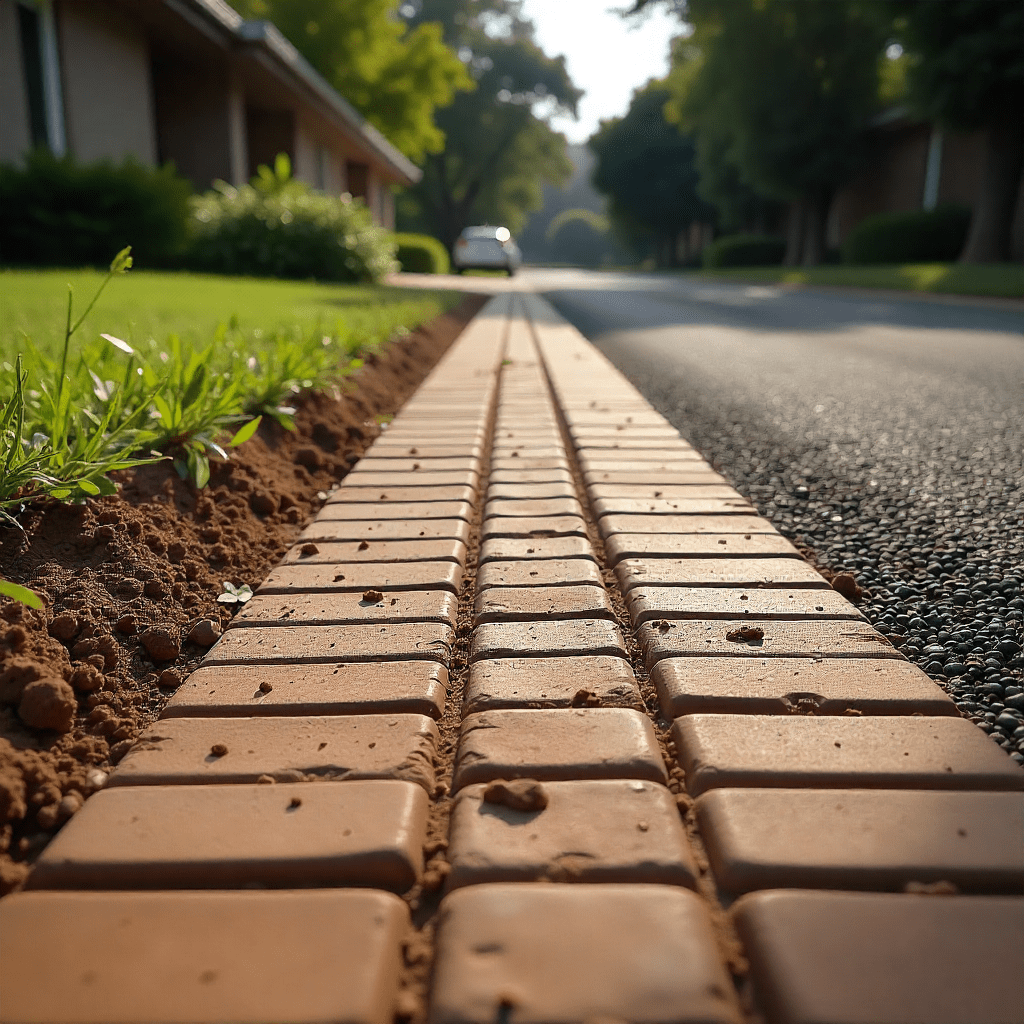
Top Driveway Paving Mistakes Sandton Homeowners Make
Your driveway creates the first impression visitors have of your home. Yet many homeowners in Sandton and Bryanston’s prestigious suburbs make costly driveway paving mistakes that compromise both aesthetics and functionality. These errors lead to premature deterioration, expensive repairs, and ongoing maintenance headaches.
Understanding these common pitfalls helps you avoid them. This guide reveals the ten most frequent driveway paving mistakes and provides practical solutions to ensure your investment stands the test of time.
Why Driveway Paving Mistakes Cost You More Than Money
Poor driveway installation affects more than your wallet. It impacts your property value, curb appeal, and daily convenience. Cracks, uneven surfaces, and drainage problems create safety hazards while diminishing your home’s aesthetic appeal.
The good news? Most driveway paving mistakes are entirely preventable with proper planning and professional guidance. Just as LawnKing Gardens provides expert artificial grass installation that transforms outdoor spaces, quality driveway work requires specialized knowledge and attention to detail.
Mistake #1: Skipping Proper Base Preparation
The foundation determines everything. Many contractors rush through base preparation to save time and money. This shortcut leads to disastrous results within months.
A weak or uneven base causes the entire driveway to sink, crack, and crumble. The base must be properly excavated, filled with quality materials, and thoroughly compacted. Without this solid foundation, your paving material sits on what essentially amounts to a sponge.
How to Avoid This Mistake
Insist on proper excavation depth. The base should extend at least 4-8 inches deep, depending on soil conditions and expected vehicle loads. Choose a contractor who uses quality aggregate materials and has professional compaction equipment. The base must be graded correctly and compacted in layers to create the stable foundation your driveway needs.
Mistake #2: Ignoring Drainage Requirements
Water is your driveway’s worst enemy. Standing water seeps through cracks, erodes the base, and accelerates deterioration. Many homeowners overlook drainage planning until they face costly water damage.
Improper slope design causes water to pool on the surface. This pooling weakens paver joints, promotes weed growth, and creates hazardous ice patches during winter. The freeze-thaw cycle then does even more damage as trapped water expands and contracts.
How to Avoid This Mistake
Ensure your driveway slopes away from your home and other structures. A minimum gradient of 1-2% provides proper water runoff. Consider where the water will flow once it leaves the driveway surface. Install drainage systems like French drains or drainage channels if your property has poor natural drainage. Similar to how professional irrigation systems manage water flow efficiently, your driveway needs a comprehensive drainage plan.
Mistake #3: Choosing the Wrong Materials
Not all paving materials suit every situation. Your soil type, climate conditions, budget, and intended use all influence the best choice. Selecting inappropriate materials leads to premature failure and disappointing results.
Cheap materials may save money initially. However, they require frequent repairs and early replacement. Quality materials cost more upfront but deliver superior performance and longevity. The right material choice depends on your specific circumstances and long-term goals.
How to Avoid This Mistake
Research different paving options thoroughly. Consult with experienced professionals who understand local conditions in Sandton and Bryanston. Consider factors like durability, maintenance requirements, climate resistance, and aesthetic preferences. Much like choosing between different artificial grass pile heights for various applications, select paving materials that match your specific needs rather than simply choosing the cheapest option.
Mistake #4: Hiring Inexperienced Contractors
Experience matters tremendously in driveway installation. Unlicensed contractors offer attractive prices but lack the skills, equipment, and knowledge to deliver quality results. They often disappear after problems emerge, leaving you with no warranty or recourse.
These contractors cut corners on preparation, use inferior materials, and employ improper techniques. Their work may look acceptable initially. However, significant problems appear within months as the inadequate foundation and poor workmanship become evident.
How to Avoid This Mistake
Verify contractor credentials carefully. Check licenses, insurance coverage, and references from previous clients. Review portfolios of completed projects in your area. Ask detailed questions about their process, materials, and timeline. Request a written contract that specifies all work details, materials, costs, and warranties. At LawnKing Gardens, professional expertise ensures installations that last for years. Apply the same standard when selecting a paving contractor.
Mistake #5: Paving at the Wrong Time
Timing significantly impacts paving quality. Extreme weather conditions compromise the installation process and final results. Hot temperatures cause materials to cure too quickly, while rain delays work and ruins finishes.
Cold weather presents additional challenges. Asphalt requires specific temperature ranges for proper application and curing. Installing during unsuitable conditions creates a weak surface that fails prematurely. Proper timing ensures materials bond correctly and cure at the optimal rate.
How to Avoid This Mistake
Schedule driveway paving during moderate weather conditions. Late spring through early fall typically offers the best conditions for most paving materials. Avoid extremely hot days, rainy periods, and cold temperatures. Monitor weather forecasts carefully and be prepared to reschedule if conditions change. Professional contractors understand seasonal factors and will recommend the best timing for your project.
Mistake #6: Applying Insufficient Thickness
Thin paving breaks down rapidly under normal use. Many contractors apply inadequate thickness to reduce material costs. This creates a surface that cannot withstand vehicle weight and weather stress.
Standard residential driveways require at least 2-3 inches of properly compacted material for normal use. Any thinner, and surface breakdown occurs within just a few seasons. Heavy vehicles need even greater thickness to prevent premature failure.
How to Avoid This Mistake
Specify minimum thickness requirements in your contract. Ensure the contractor applies materials in proper depths throughout the entire driveway. Consider your usage patterns when determining thickness needs. If you regularly park heavy vehicles or anticipate increased traffic, invest in additional thickness for long-term durability.
Mistake #7: Neglecting Edge Support
Driveway edges lack support on the sides. Without proper reinforcement, these vulnerable areas crack and crumble quickly. Weeds then invade, and deterioration accelerates from the edges inward.
Poor edge design creates an unprofessional appearance. The sides break away, leaving jagged edges that look unsightly and continue to worsen. Strong edge support prevents these problems and extends overall driveway life.
How to Avoid This Mistake
Install proper edging along all driveway borders. Options include concrete curbing, paver edges, or stone borders. Backfill exposed edges with compacted soil or gravel to within one inch of the surface. This support prevents crumbling and allows for proper drainage. Keep vehicles at least six inches from unsupported edges to prevent sinking and cracking.
Mistake #8: Overlooking Sealcoating Requirements
Sealcoating protects your driveway from UV rays, water damage, and chemical spills. Many homeowners skip this crucial step or apply it incorrectly. This oversight significantly shortens driveway lifespan.
Proper sealcoating acts like sunscreen for your pavement. It replaces surface materials lost to oxidation and weathering. Without it, the surface becomes brittle, cracks develop more easily, and deterioration accelerates.
How to Avoid This Mistake
Plan for sealcoating as part of your maintenance program. New driveways should cure for 6-12 months before first application. After that, reapply sealcoat every 2-3 years depending on traffic and weather exposure. Clean the surface thoroughly before application and apply thin, even coats rather than one thick layer. Quality sealcoating materials provide better protection and longer-lasting results.
Mistake #9: Using Your Driveway Too Soon
Fresh paving needs time to cure and harden properly. Driving on new surfaces too quickly creates permanent damage. Tire marks, depressions, and cracks form before the material fully sets.
Patience during the curing period prevents these problems. The material remains soft and pliable for several days after installation. Heavy loads or sharp movements damage the vulnerable surface.
How to Avoid This Mistake
Wait at least 48-72 hours before allowing light vehicle traffic on new paving. Avoid parking or placing heavy items on the surface for at least one week. During hot weather, extend these waiting periods. Walk on the driveway carefully, but keep all vehicles off until proper curing occurs. This simple precaution ensures a smooth, long-lasting finish.
Mistake #10: Failing to Maintain Your Driveway
Installation is just the beginning. Regular maintenance extends driveway life dramatically. Neglecting routine care allows small problems to become major repairs.
Simple maintenance tasks prevent expensive damage. Regular cleaning removes debris that causes staining and deterioration. Prompt crack repair prevents water intrusion. Attention to drainage prevents structural problems.
How to Avoid This Mistake
Establish a regular maintenance schedule. Inspect your driveway seasonally, particularly during summer and winter. Clean the surface monthly using a stiff brush or hose to remove debris. Address cracks immediately while they remain small and easy to repair. Clean oil and gasoline spills promptly, as these substances break down paving materials. Monitor drainage patterns and ensure water flows away from the surface. Keep edges supported and trim vegetation that grows near or through the pavement.
Just as artificial grass maintenance keeps synthetic turf looking pristine with minimal effort, proper driveway care preserves your investment with relatively simple tasks performed regularly.
The Hidden Costs of Poor Driveway Installation
Driveway paving mistakes create cascading problems. Initial savings from cheap contractors or materials quickly evaporate when repairs become necessary. Poor installation often requires complete replacement within 5-10 years instead of lasting 20-30 years with proper work.
Beyond direct costs, consider reduced property value and diminished curb appeal. Potential buyers notice deteriorating driveways and factor repair costs into their offers. Safety concerns arise from uneven surfaces and standing water. The stress and inconvenience of ongoing problems add unmeasurable costs to the equation.
Alternative Options Worth Considering
Traditional paving isn’t your only option. Modern landscaping solutions offer attractive alternatives that minimize many common driveway problems. Consider these innovative approaches for areas where full paving may not be necessary.
Permeable paving options improve drainage naturally while reducing environmental impact. Decorative aggregates create attractive surfaces for low-traffic areas. Strategic combinations of materials balance functionality with aesthetics.
For surrounding landscaping needs, LawnKing Gardens specializes in artificial grass installation that complements your driveway perfectly. Synthetic turf eliminates muddy areas adjacent to driveways, provides clean borders, and requires virtually no maintenance. This creates a cohesive outdoor space where your beautiful driveway integrates seamlessly with pristine landscaping.
Professional Planning Makes All the Difference
Successful driveway projects start with thorough planning. Assess your property’s specific conditions, including soil type, drainage patterns, and expected usage. Consider how the driveway connects with other outdoor spaces. Think about long-term maintenance requirements and lifetime costs rather than just initial installation expenses.
Professional consultation identifies potential problems before they occur. Experienced contractors understand local conditions in Sandton and Bryanston’s diverse neighborhoods. They recommend solutions tailored to your property’s unique characteristics. This expertise proves invaluable in avoiding the common mistakes that plague many driveway projects.
Taking Action on Your Driveway Project
Now that you understand common driveway paving mistakes, you can approach your project with confidence. Whether you’re installing a new driveway or repairing an existing one, knowledge empowers better decisions.
Start by thoroughly researching contractors in your area. Request multiple detailed quotes that specify materials, processes, and timelines. Ask questions about base preparation, drainage plans, material thickness, and warranty coverage. Don’t automatically accept the lowest bid—quality work costs more initially but saves money long-term.
For comprehensive outdoor improvements beyond your driveway, explore LawnKing Gardens’ complete landscaping services. From instant lawn installation to artificial grass solutions and irrigation systems, professional expertise transforms your entire outdoor space into a beautiful, functional environment.
Resources for Further Research
Understanding driveway installation helps you make informed decisions. These authoritative resources provide additional information about proper paving techniques and maintenance:
- The Asphalt Institute offers technical guidelines and best practices for asphalt installation
- National Ready Mixed Concrete Association provides information about concrete driveways and proper installation methods
Your Driveway Investment Deserves Professional Care
Your driveway represents a significant investment in your property. Avoiding these ten common mistakes ensures that investment pays dividends for decades. Quality installation combined with proper maintenance creates a durable, attractive surface that enhances your home’s value and curb appeal.
Remember that professional expertise matters. Just as LawnKing Gardens’ comprehensive service approach delivers superior results for artificial grass installations, experienced paving contractors provide the knowledge and skills necessary for successful driveway projects.
Don’t let preventable mistakes compromise your driveway’s performance and appearance. Take time to plan carefully, choose quality materials and contractors, and commit to regular maintenance. Your driveway will reward you with years of reliable, attractive service that makes you proud every time you come home.
For all your landscaping needs in Randburg, Midrand, Sandton, and Bryanston, contact LawnKing Gardens today. Our team brings the same commitment to quality and customer satisfaction to every project, ensuring results that exceed your expectations and stand the test of time.
Related Posts:
- The Pros and Cons of Interlocking Pavers vs Stamped Concrete
- Cobblestone Driveways: Traditional Charm for Modern Homes
- Maintaining Your Paved Driveway: Cleaning, Sealing and Repair Tips
- Non-Slip Pool Paving Options: Safety Meets Style Around Water Features
- How to Design and Install a Herringbone Pattern Paver Driveway